Understanding the Importance of Regular Grooming
Regular grooming is an essential component of responsible dog ownership that extends far beyond mere aesthetics. One of the primary benefits of grooming is its contribution to maintaining skin health. Through consistent brushing, dead hair, dirt, and dander are effectively removed, which not only aids in keeping the dog’s coat shiny but also minimizes skin irritations and infections. Additionally, routine grooming allows for the circulation of natural oils that contribute to the overall luster and vitality of the dog’s fur.
Regular grooming is also instrumental in preventing matting, particularly in long-haired breeds. Matting can cause discomfort and pain, leading to skin issues or even infections. By regularly brushing your dog’s coat, knots and tangles can be managed promptly, ensuring your pet remains comfortable and free from such complications. This not only benefits the physical health of your dog but also plays a role in its emotional well-being. A well-groomed dog often feels more confident and content, which can lead to a more positive demeanor.
Moreover, grooming sessions act as an invaluable opportunity for pet owners to bond with their dogs. The time spent together during grooming helps to reinforce trust and affection, allowing for a deeper emotional connection between the dog and its owner. This interaction can be calming for the dog, reducing anxiety and enhancing its overall happiness.
Lastly, regular grooming can serve a vital purpose in health monitoring. During grooming, owners are more likely to notice any abnormalities, such as lumps, bumps, or skin irritations, allowing for early detection of potential health issues. This proactive approach to pet care can lead to timely veterinary intervention, which is crucial for maintaining a long, healthy life for your beloved canine companion.

Essential Grooming Techniques for Your Dog’s Coat and Skin
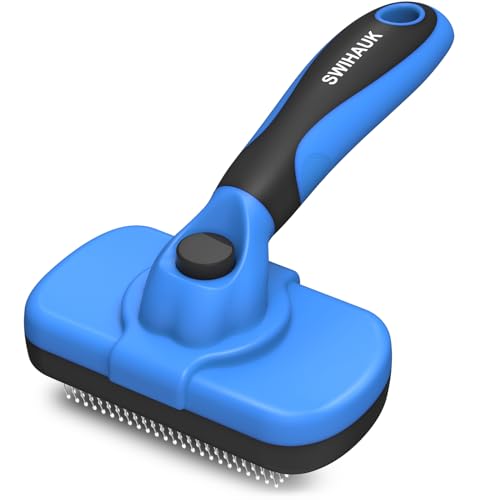
Maintaining a dog’s coat and skin is paramount for their overall health and well-being. The frequency of grooming largely depends on the type of coat your dog possesses. For dogs with long, flowing coats, daily brushing is essential to prevent matting and tangling. In contrast, short-haired breeds typically require brushing once a week. Regular grooming not only enhances the appearance of your dog but also allows you to inspect their skin for any irritations, parasites, or abnormalities.
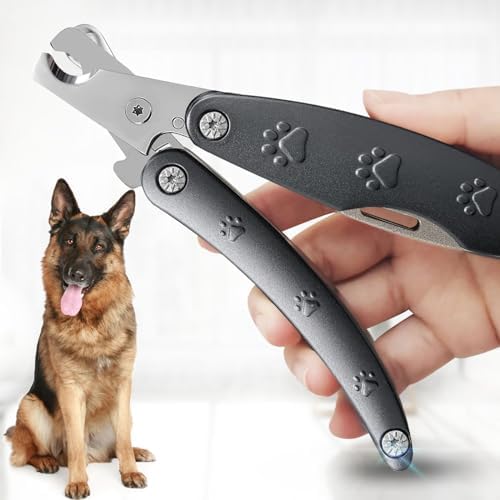
Choosing the right grooming tools is a critical aspect of effective dog grooming. High-quality brushes that are suited for your dog’s coat type can make a significant difference. For instance, slicker brushes work well for long-haired breeds, while rubber curry brushes are preferable for short-haired dogs. Additionally, investing in nail clippers designed for pets can aid in maintaining their paw health while helping to prevent overgrowth and discomfort.
Cleaning your dog’s skin is another essential grooming practice, and great care must be taken to use suitable products. It is advisable to select a shampoo that is specifically formulated for dogs, as human shampoos can disrupt the natural pH balance of a dog’s skin, potentially leading to complications such as dryness and irritation. Bathe your dog only when necessary—typically every 4 to 6 weeks—unless they have rolled in something particularly dirty. Over-bathing can strip the coat of natural oils, leading to skin issues over time.
To sum up, effective grooming techniques hinge on understanding your dog’s specific coat needs, utilizing appropriate tools, and applying the correct cleaning methods. By establishing a regular grooming routine, you not only enhance your dog’s appearance but also contribute significantly to their health and happiness.


The Importance of Oral Care for Dogs
Maintaining optimal dental hygiene is paramount in ensuring your dog’s overall health and quality of life. Just like humans, dogs can suffer from a range of dental issues, such as periodontal disease, which can lead to severe health complications if left untreated. Regular oral care not only prevents bad breath but also safeguards against serious conditions that may affect other organs due to bacteria entering the bloodstream.
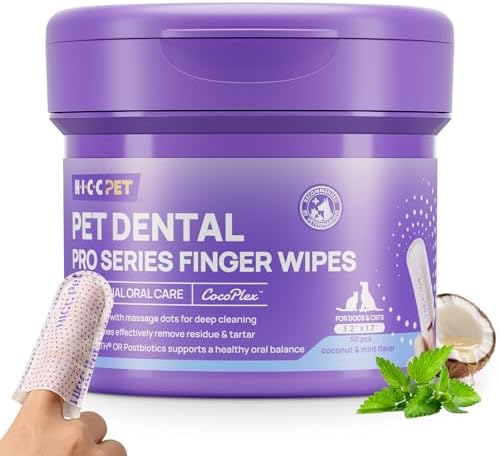
One effective method for cleaning your dog’s teeth is through regular brushing. Dog owners should consider using a toothbrush designed specifically for canines, along with toothpaste formulated for dogs. It is important to gradually acclimate your dog to the brushing process to ensure it becomes a positive experience. Start by letting them taste the toothpaste before gradually introducing the toothbrush. Aim to brush your dog’s teeth at least two to three times a week, although daily brushing is ideal for optimal oral health.
In addition to brushing, dental treats can play an important role in your dog’s oral care regimen. Many products on the market are designed to help remove plaque and tartar build-up while also providing a tasty reward. However, it is crucial to choose treats that are approved by veterinary associations to ensure they effectively contribute to oral hygiene without being harmful to your dog’s digestive system.
Regular veterinary check-ups are also essential in maintaining your dog’s dental health. During these visits, a vet can assess your dog’s teeth and gums and recommend professional cleanings or treatments if necessary. Early diagnosis of dental issues can significantly alter outcomes and prevent escalation into more serious health concerns.
By incorporating these practices into your dog’s grooming routine, you can help ensure your furry friend maintains not just a beautiful smile but also a healthier life.


Miscellaneous Care Needs for Your Dog’s Overall Health
While regular grooming is essential to your dog’s appearance, other aspects of care significantly contribute to their well-being. Three critical components include nail trimming, ear cleaning, and eye care, each requiring special attention to ensure your furry friend remains healthy and comfortable.
Nail trimming is fundamental to preventing discomfort or potential injury. Overgrown nails can lead to pain and mobility issues. It is generally recommended to trim your dog’s nails every three to four weeks, but this can vary depending on the dog’s activity level and lifestyle. The best tools for nail trimming include dog nail clippers or grinders, ensuring that you also have styptic powder on hand to address any accidental quicking. Adopting a gradual approach and rewarding your dog with treats can help make this essential task more manageable.
Ear cleaning is another vital aspect of your dog’s care regime. Dogs with floppy ears or those prone to ear infections may need more frequent cleaning. Generally, it is advisable to inspect and clean your dog’s ears weekly using a vet-recommended ear cleaner and cotton balls. This prevents the buildup of wax and debris, which can lead to infections. Proper ear cleaning techniques include gently wiping the outer ear and avoiding inserting anything deep into the ear canal.
Eye care is often overlooked but is equally important. Regularly check your dog’s eyes for signs of discoloration, excessive tearing, or discharge. Depending on the breed, eye care needs can vary, with some dogs requiring daily cleanings to remove dirt and tear stains. Using a soft, damp cloth specifically dedicated to this task can keep your dog’s eyes clear. For dogs with more severe issues, it is essential to consult a veterinarian to rule out any underlying conditions.
Overall, adhering to these miscellaneous care needs can greatly enhance your dog’s quality of life, keeping them happy and healthy. Consistency and the right tools will go a long way in ensuring your beloved pet receives the comprehensive care they deserve.