
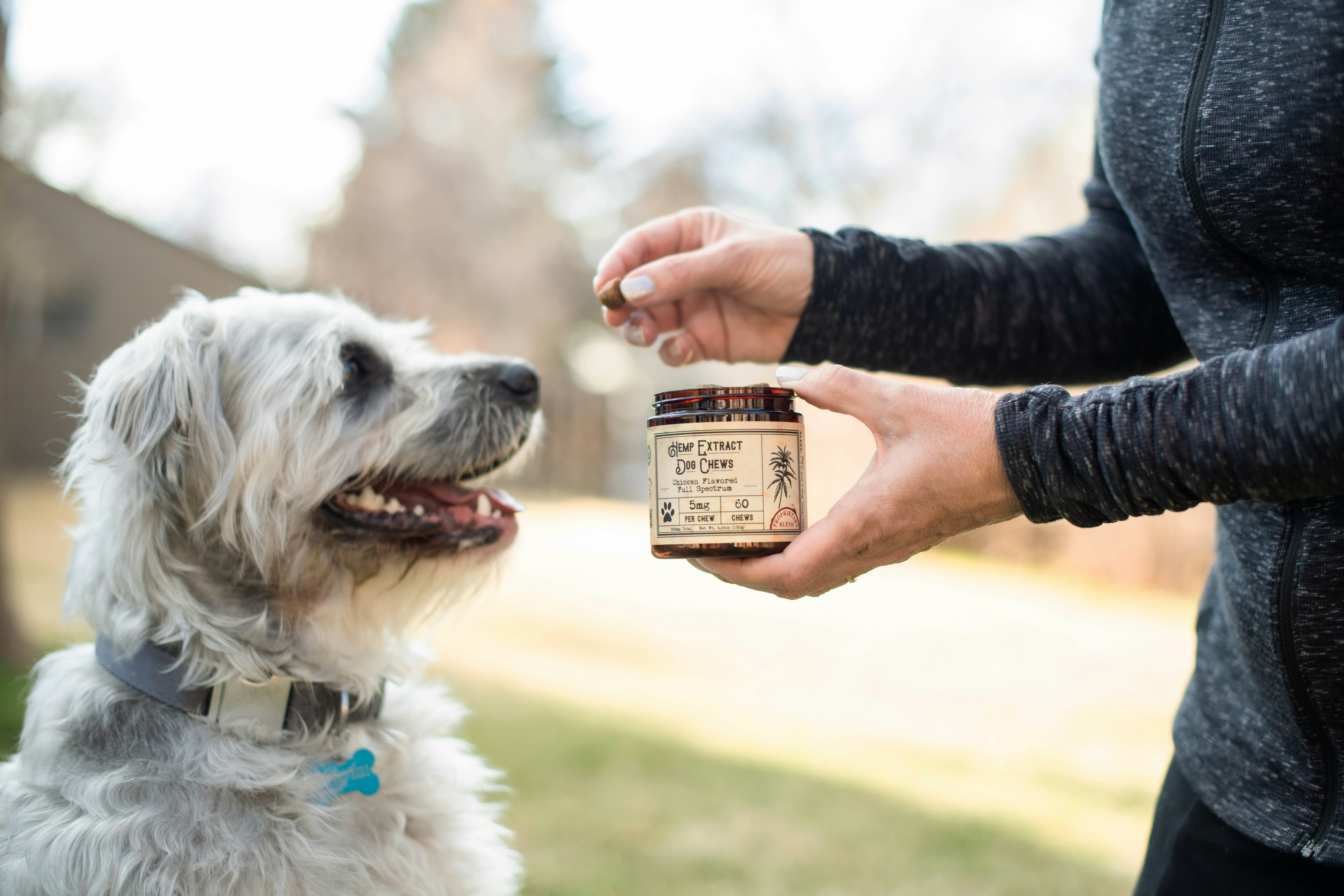
Introduction to High-End Pet Treats
High-end pet treats, often referred to as premium or gourmet treats, are designed to provide pets with not only nourishment but also an elevated snacking experience. Unlike regular pet treats that may contain fillers and artificial additives, high-end options typically emphasize natural ingredients, quality manufacturing processes, and often unique flavors that mimic human food. This distinction has led to a significant shift in the way many pet owners choose treats for their companions.
Recently, there has been a noticeable trend among pet owners gravitating towards these premium brands. Several factors contribute to this increasing demand for high-end pet treats. Foremost among these is the rising health consciousness among pet owners, who are increasingly aware of the nutritional benefits of their pets’ diets. High-end treats often boast organic ingredients, grain-free options, and are often free from artificial preservatives, contributing to overall pet health. Furthermore, many high-end pet treat brands emphasize their products’ ethical sourcing and environmental sustainability, appealing to the modern consumer’s values.
Additionally, the humanization of pets has played a crucial role in this trend. Pets are increasingly viewed as family members, leading owners to seek out products that reflect their own lifestyle choices, including the selection of premium, artisanal treats. This concept fosters a strong emotional connection between owners and their pets, as they select treats that they perceive to be not only healthier but also more pleasurable for their furry friends. As a result, the market for high-end pet treats is expanding rapidly, with new brands constantly entering the market to cater to this growing consumer base.
Key Ingredients in High-End Pet Treats
High-end pet treats prioritize quality ingredients, distinguishing them from cheaper alternatives often filled with artificial additives and low-quality fillers. These premium treats typically incorporate organic, natural, and locally sourced components, which not only enhance their nutritional value but also provide a range of benefits for pets.
One major category of ingredients found in high-end pet treats is organic proteins, such as grass-fed meat or free-range poultry. These sources of protein are preferable because they are less likely to contain harmful chemicals or antibiotics that can negatively impact a pet’s health. Additionally, proteins derived from organic farms usually come from animals that are raised in humane conditions, addressing both ethical and health concerns for conscientious pet owners.
Another common feature is the use of whole foods, including fruits, vegetables, and grains, which ensure that pets receive essential vitamins and minerals. For instance, ingredients like sweet potatoes or blueberries provide antioxidants that aid in maintaining overall health and boosting the immune system. In contrast, cheaper pet treats might include generic “animal by-products” or fillers like corn and soy, which lack nutritional value and can even be allergenic for some pets.
Moreover, many high-end pet treat brands emphasize the absence of artificial preservatives, colors, and flavors. Instead, they rely on natural preservation methods, such as producing dehydrated treats or using probiotics, which offer additional digestive benefits. The commitment to transparency in ingredient sourcing is also a hallmark of premium products, often highlighted through clear labeling indicating local and organic sources.
Ultimately, the thoughtful selection of quality ingredients in high-end pet treats not only contributes to a pet’s health but also ensures a more satisfying and enjoyable eating experience. By investing in these superior products, pet owners can provide their animals with the nourishment they need without compromising on health or ethics.
Nutritional Value vs. Price
When considering the purchase of high-end pet treats, many pet owners weigh the cost against the nutritional value these products claim to offer. Premium pet treats often boast high-quality ingredients, including human-grade meats, organic vegetables, and natural preservatives. These ingredients can provide significant health benefits to pets, such as enhanced digestion, improved coat condition, and increased energy levels. Unlike standard treats that may include fillers, artificial additives, and low-quality ingredients, high-end options prioritize the overall well-being of pets.
One of the most compelling arguments for investing in premium treats is their nutritional content. Many of these products are formulated with specific health benefits in mind, such as promoting joint health or supporting immune function. Additionally, high-quality proteins and fats found in these treats can contribute to a balanced diet, ensuring that pets receive essential nutrients that may be absent from lower-quality options. As pets are members of the family, prioritizing their health by opting for better nutrition is a consideration that resonates with many pet owners.
Moreover, the impact of quality ingredients extends to the overall feeding experience. Treats made from high-quality sources often have better taste and texture, which can enhance the joy of training and bonding with a pet. When pets enjoy their treats, they are more likely to be motivated during training sessions, thus reinforcing positive behaviors effectively. This can lead to a more harmonious relationship between pets and their owners.
In essence, while premium pet treats may come with a higher price tag, the potential benefits they offer—namely superior nutritional content, health enhancements, and improved pet satisfaction—could justify the investment for conscientious pet owners. Evaluating the intrinsic value of these products allows for a more informed choice when determining what is best for our pets.
The Psychological Aspect for Pet Owners
The decision to invest in high-end pet treats often stems from a complex interplay of emotional factors that significantly influence pet owners’ purchasing behaviors. Many pet owners view their animals not merely as pets but as family members, which consequently shapes their willingness to spend more on premium products. This emotional bond fuels a deep-seated desire to provide the very best for their beloved companions, making them susceptible to premium branding and marketing tactics.
Guilt plays a substantial role in this behavior as well. Pet owners frequently grapple with feelings of guilt regarding their pet’s happiness and well-being, particularly in an age where awareness about animal health has intensified. This sense of guilt can lead owners to justify the purchase of high-end treats as a means of compensating for absences in their pets’ lives or fulfilling perceived responsibilities. The notion that spending more equates to better health or enhanced happiness can further compel owners to engage with high-priced options.
Additionally, societal influences cannot be ignored in this context. As pet ownership continues to rise, so too does the trend of viewing pets as extensions of familial love and affection. The growing market for luxury pet products is, in part, a reflection of this cultural shift. Recommendations from social circles, the proliferation of social media showcasing lavish pet lifestyles, and targeted marketing strategies heighten the desire to participate in this lifestyle by purchasing high-end treats.
Ultimately, the emotional drivers behind spending more on premium pet treats intertwine with societal expectations, creating a compelling narrative for pet owners that emphasizes the importance of love, care, and responsibility for their pets’ well-being.
Consumer Reviews and Expert Opinions
The landscape of high-end pet treats is rich with diverse consumer reviews and expert opinions, which provide valuable insights into their worth and efficacy. Many pet owners who have opted for premium treats often praise the quality of ingredients. Users report that their pets show increased energy and enthusiasm, associating the high-quality treats with better overall well-being. For instance, one buyer noted a significant improvement in their dog’s coat and digestion after transitioning to a premium brand.
Testimonials from a variety of pet owners highlight various factors that contribute to their satisfaction. Many express appreciation for the transparency of these brands regarding sourcing and manufacturing practices. Some noteworthy comments mention the joy of pet bonding during treat time, as well as the positive impact of healthy ingredients on their pets’ behavior and health. Critics, however, offer a contrasting perspective, highlighting the concerns about price. They argue that while the benefits are evident, the costs associated with high-end treats can be prohibitive for some households, leading to discussions about accessibility.
When it comes to expert opinions, veterinarians often weigh in on the nutritional benefits of high-end pet treats. According to some veterinary nutritionists, the best premium treats can indeed contribute to a balanced diet when integrated with everyday pet food. They emphasize that treats should make up only a small percentage of a pet’s overall nutrition. However, experts also caution against relying solely on high-end products as a quick fix for underlying health issues, suggesting a well-rounded approach to pet nutrition.
In examining both consumer experiences and expert advice, it becomes evident that while high-end pet treats can offer considerable benefits, they may not be a necessary purchase for every pet owner. Therefore, understanding both the positives and negatives presented in reviews is essential for making an informed decision.
DIY versus Store-Bought High-End Treats
The choice between making homemade treats and purchasing high-end pet treats from stores presents a range of considerations for pet owners. One of the primary factors is cost. DIY treats typically use everyday ingredients, which can be less expensive than premium store-bought options. However, start-up costs for kitchen equipment and specialty ingredients may also factor in. Furthermore, homemade treats can be produced in bulk, which can reduce the overall cost per treat.
Convenience is another critical aspect to consider. Store-bought high-end treats provide an effortless solution for busy pet owners, saving time and effort in preparation. They often come with attractive packaging and a longer shelf life compared to homemade alternatives, making them ideal for those who want a quick, reliable option. On the other hand, crafting treats at home can become an enjoyable activity, allowing pet owners to bond with their pets. Preparing treats may also result in fresher products that can be tailored to their pet’s specific tastes and dietary needs.
Control over ingredients is a significant advantage of homemade treats. Pet owners can select high-quality, nutritious components and avoid unnecessary additives and preservatives, ensuring that their pets receive healthful snacks. This aspect can be particularly important for pets with food allergies or sensitivities. However, it requires knowledge of nutrition and ingredient sourcing, which may complicate the DIY option for some owners.
Ultimately, the decision between DIY and store-bought high-end pet treats depends on individual circumstances, including budget, time availability, and specific pet health needs. Each choice carries its unique benefits and drawbacks, and pet owners should evaluate which route aligns best with their lifestyle and their pet’s preferences.
Where to Find Legitimate Quality Treats
When it comes to choosing high-quality pet treats, it is essential to be discerning about where and how you shop. There are several indicators that can help you identify legitimate products over those that are merely marketing gimmicks.
First, examine the labeling on the pet treat packaging. The first five ingredients of the treat reflect the primary contents. High-quality treats typically list protein sources, such as chicken or beef, at the top of the ingredient list. Also, be wary of treats that include unclear terms, such as “meat meal” or “animal by-products,” as these may not be of the best quality.
Moreover, checking for certifications can offer additional assurance. Look for treats that have been certified by organizations like the Association of American Feed Control Officials (AAFCO) or have received endorsements from reputable veterinary associations. These certifications ensure that the treats meet specific nutritional standards and safety measures, adding another layer of credibility.
Another factor to consider is the brand’s reputation. Some brands are well-known for their focus on quality and transparency. Researching customer reviews can be insightful, as they often describe others’ experiences with the product, revealing both the intended benefits and any potential concerns.
It can also be beneficial to choose brands that provide detailed information about their sourcing and manufacturing processes. Brands that openly share their ingredient sourcing and production methodologies demonstrate a commitment to quality, giving pet owners peace of mind regarding the safety of their purchases.
In summary, identifying high-quality pet treats involves careful examination of labeling, certifications, and brand reputation. By taking the time to evaluate these factors, pet owners can make informed decisions that prioritize their pets’ health and well-being while avoiding misleading marketing tactics.
Cost-Benefit Analysis
When considering high-end pet treats, consumers often find themselves weighing the immediate financial costs against potential long-term health benefits for their pets. The initial price tag of premium treats can be significant, sometimes reflecting a substantial investment in a pet’s diet. However, assessing these expenses requires an understanding of the potential advantages, as well as the implications for pet health.
High-end pet treats generally utilize higher quality ingredients, which can translate to superior nutritional profiles. This means that these treats may contribute positively to the overall well-being of pets, particularly in terms of skin and coat health, digestive support, and dental hygiene. Some premium brands even enrich their products with vitamins and minerals that help mitigate health issues such as obesity and allergies. Over time, an investment in healthier treats may lead to reduced veterinary bills due to fewer health complications, thereby offering a cost-saving counterbalance to the upfront expense.
Moreover, the purchase of high-end treats often aligns with a holistic approach to pet care. Many pet owners believe that investing in higher quality food and treats can enhance their pets’ quality of life, resulting in longer life spans and fewer diseases. This factor may not only justify the initial costs but also shift the focus from short-term expenditure to a long-term perspective on pet health.
It is important for pet owners to assess their budget while also considering the specific needs of their pets. Some dogs and cats may thrive on premium products, while others may do just fine on standard options. Therefore, a tailored approach to treat selection can help balance cost and benefits effectively. Ultimately, the question remains whether the investment in high-end pet treats aligns with individual pet health goals and financial circumstances.
Conclusion: Should You Splurge on Pet Treats?
As we have explored throughout this discussion, the decision to invest in high-end pet treats hinges on various factors, including nutritional value, ingredient quality, and the specific needs of your pet. The premium price of these treats often reflects the use of high-quality ingredients, which can contribute positively to your pet’s overall health and well-being. However, it is essential to discern whether these benefits align with your pet’s unique dietary requirements.
The market is saturated with an array of options that cater to differing budgets and preferences. Many ordinary pet treats can offer adequate nutrition, though high-end varieties may present additional benefits, such as organic ingredients or specialized formulations aimed at tackling specific health issues. Consequently, it is crucial for pet owners to evaluate their pet’s health status, lifestyle, and any specific dietary restrictions they may have before committing to a premium product.
From a financial perspective, the cost of high-end pet treats can be significant, especially if you have multiple pets or if your pet consumes treats frequently. Therefore, weighing your pet’s needs against your budget is vital in making an informed decision. It is also advisable to consult with a veterinary professional who can provide tailored recommendations based on your pet’s individual health considerations.
In conclusion, while high-end pet treats may offer advantages that contribute to your pet’s health, it is paramount to determine whether these benefits justify the investment for your household. A balanced approach that considers both the health requirements of your pet and your financial capacity may ultimately guide you toward the most suitable choice for your furry companions.
This post contains affiliate links. If you purchase through these links, I may earn a small commission at no extra cost to you.

