Understanding Your Pet’s Nutritional Needs
Providing your pet with the right nutrition is critical for maintaining their health and well-being. Pets, like humans, have specific nutritional needs that must be met. A balanced diet should consist of proteins, carbohydrates, fats, vitamins, and minerals, each playing a vital role in their overall health. Proteins are essential for growth, maintenance, and repair of body tissues, while carbohydrates provide energy. Healthy fats contribute to cell structure and are a significant energy source, and vitamins and minerals assist in various bodily functions, including immune support and bone health.
The nutritional requirements of pets can significantly vary based on several factors, including breed, size, age, and activity level. For instance, larger breeds may require a different protein content compared to smaller breeds. Additionally, pets that are more active may need more calories and nutrients to sustain their energy levels compared to those that are less active. Puppies and kittens generally require a diet richer in these essential nutrients to support their growth and development, while older pets might benefit from diets that are easier to digest or lower in calories to maintain a healthy weight.
Healthy treats can play a vital role in meeting your pet’s nutritional objectives, offering an opportunity to supplement their main diet with essential nutrients. Opting for treats that contain high-quality ingredients can not only be a rewarding experience for training but also enhance their overall wellness. By incorporating healthy treats, you can ensure that your pet enjoys a variety of flavors and textures, making mealtime more enjoyable while not compromising on their health. Thus, understanding your pet’s unique dietary needs should be a priority for any responsible pet owner.
Benefits of Healthy Treats for Pet Health
Incorporating healthy treats into your pet’s diet can yield numerous advantages that support their overall well-being. One of the primary benefits is weight management. Often, pet owners struggle with keeping their animals at a healthy weight due to unhealthy treat choices. By selecting nutritious options, pet owners can ensure their companions receive a satisfying snack without excessive calories. Low-calorie healthy treats can aid in maintaining an appropriate weight, which is crucial for preventing obesity-related health issues, such as diabetes and joint problems.
Additionally, healthy treats play a significant role in promoting dental health. Chewing on crunchy treats can help to naturally clean pets’ teeth and gums, reducing plaque buildup and preventing periodontal disease. This is essential considering that dental health is often overlooked but is vital for overall well-being.
Moreover, healthy treats can improve energy levels in pets. Nutrient-dense snacks, rich in vitamins and minerals, provide the necessary fuel for an active lifestyle while ensuring that pets remain energetic and engaged. This is particularly important for younger pets or those involved in regular physical activities.
Skin and coat health is another area that benefits from the inclusion of healthy treats in a pet’s diet. Treats that are rich in omega fatty acids, antioxidants, and other beneficial nutrients can enhance the coat’s luster and promote skin vitality. This results in a shinier, healthier appearance that also indicates good overall health.
Beyond physical health, healthy treats also support the psychological aspect of a pet’s well-being. They serve as rewards and act as positive reinforcement during training sessions, helping to enhance learning and behavioral enrichment. Furthermore, sharing treats creates opportunities for bonding, strengthening the emotional connection between pets and their owners, which is vital for a happy and fulfilling companionship.
Choosing the Right Healthy Treats
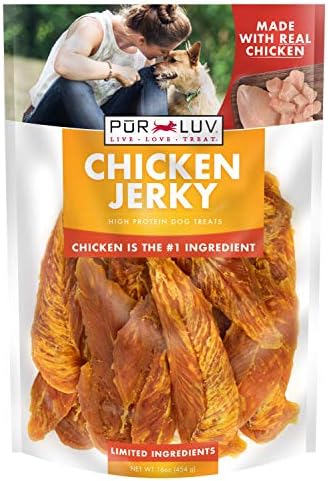
When selecting healthy treats for your pet, it is essential to become well-acquainted with reading labels. A conscientious approach involves examining ingredient lists closely. Look for treats that highlight real meat, whole grains, and organic fruits and vegetables as the primary ingredients. These components are not only more nutritious but also free from unnecessary fillers that can detract from your pet’s overall health.
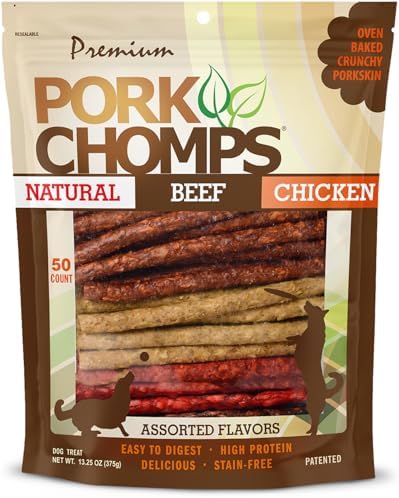
It is equally important to avoid common pitfalls associated with pet treats. Many products contain artificial additives, preservatives, and fillers that can compromise your pet’s well-being. Opt for treats labeled as “grain-free” or “natural,” as these often indicate a healthier choice. Be diligent in your research; understanding the nutritional value and sourcing practices of the product you choose will ensure you are providing your pet with safe and beneficial treats.
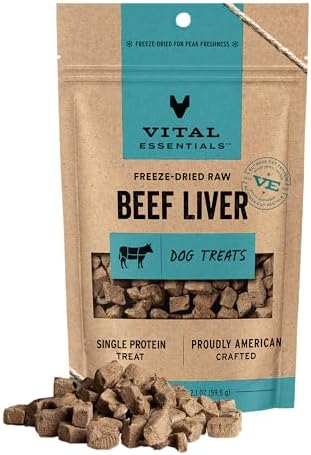
In addition to store-bought options, consider incorporating healthy homemade treats into your pet’s diet. Simple recipes utilizing natural ingredients can be a fun way to ensure your pet receives wholesome snacks. For instance, you can bake chicken-flavored biscuits using minimal ingredients such as oat flour, cooked chicken, and eggs. Likewise, freeze-dried options are another excellent choice, as they retain the nutrients of fresh ingredients while offering a long shelf life.
Portion control is crucial when introducing new treats into your pet’s diet. Even healthy options should be given in moderation to prevent weight gain and digestive issues. Start by introducing a small amount while observing how your pet’s system responds. This will help you determine the appropriate quantity and frequency of treats without disrupting your pet’s regular meals. Ensuring a gradual transition to new treats can promote acceptance and enhance your pet’s overall dietary experience.
Incorporating Healthy Treats into Your Pet’s Routine
Effectively incorporating healthy treats into your pet’s daily routine can enhance their overall well-being while reinforcing positive behaviors. Timing is crucial when offering treats. It is advisable to align treat-giving around mealtimes, providing a small treat either before or after feeding. This can not only create a positive association with mealtime but also help manage your pet’s appetite. Furthermore, using treats during training sessions can serve dual purposes; it motivates your pet to learn new commands while ensuring that treats remain a positive reinforcement tool.
In addition to training, healthy treats can be utilized in various enrichment activities. Engaging your pet’s instincts and cognitive skills through puzzle toys or treat-dispensing devices can transform treat time into playtime. This interaction can mitigate boredom and alleviate behavioral issues often caused by lack of stimulation. When incorporating such activities, remember the importance of balancing the treats with regular meals to prevent excessive calorie intake. Keeping track of your pet’s overall diet can help maintain their ideal weight and health.
Observing your pet’s reactions to new treats is essential. Introducing new items gradually allows you to monitor for any adverse reactions or preferences. Pay attention to how your pet responds not just to the taste but also to the texture and scent. Adjustments can be made based on these observations to ensure that their dietary plan remains beneficial and enjoyable. A well-structured routine with healthy treats can improve your pet’s quality of life while fostering positive habits. In conclusion, incorporating wholesome treats thoughtfully into your pet’s daily routine can promote a balanced, enjoyable experience for both you and your furry companion.
Disclosure: Some of the links below are affiliate links, meaning PetGearHQ may earn a small commission if you purchase through them — at no extra cost to you. We only recommend products we genuinely believe will make life better for you and your pets.