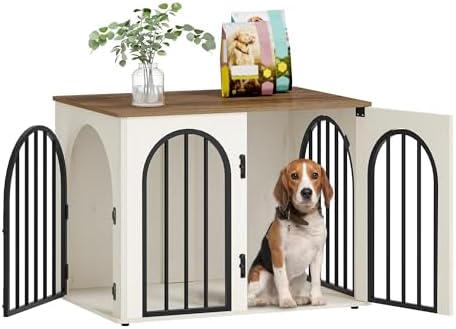

Introduction to Dog Crate Training
Dog crate training is a widely recognized practice among pet owners that involves using a crate or kennel as a safe and comfortable environment for dogs. This method serves multiple purposes, including providing a secure space for the dog when unsupervised, aiding in housebreaking, and giving dogs a personal area that they can retreat to when feeling anxious or overwhelmed. When implemented correctly, dog crate training can be an extremely beneficial tool for pet owners, promoting a sense of safety and security for their canine companions.
Despite its benefits, dog crate training has sparked vigorous debate and has been met with misunderstandings and myths. Some critics argue that confining a dog to a crate is inherently cruel, suggesting that it leads to feelings of isolation and distress. However, proponents of dog crate training emphasize that when appropriately utilized, a crate can mimic a den-like atmosphere where dogs feel protected and comfortable. It is essential to note that the key lies in ensuring the crate is used as a positive space rather than a means of punishment.
Moreover, the success of this training method heavily relies on the training process itself. Introducing the crate in a gentle manner, allowing the dog to explore it willingly, and associating the crate with positive experiences such as treats and toys are foundational steps that facilitate a smooth transition. Addressing concerns regarding the perceived cruelty involves understanding that restraint, when applied thoughtfully, does not equate to confinement in a harmful manner.
In essence, dog crate training is about establishing boundaries and providing structure, which can enhance the dog’s overall well-being. Clearing up misconceptions surrounding this practice is vital for promoting a wider acceptance of crate training among pet owners, ultimately benefiting both dogs and their owners alike.
Understanding the Myths of Cruelty in Crate Training
Crate training, a fundamental practice in dog care, has often been mischaracterized as an act of cruelty. This misconception can be traced back to a lack of understanding of both the purpose of crate training and the benefits it offers to dogs. Many individuals perceive a crate as a form of punishment or confinement, overlooking its potential as a safe haven for canines. In reality, when introduced correctly, a crate provides dogs with a sense of security and comfort, simulating the natural den environment they would seek in the wild.
One of the prevalent myths surrounding crate training is the belief that it leads to psychological trauma in dogs. This notion stems from the assumption that confining a pet for any period is inherently negative. However, numerous studies suggest that dogs are naturally inclined to seek small, enclosed spaces as they find comfort and security in them. When properly introduced to a crate, dogs can learn to view it as their personal space, reducing anxiety rather than increasing it.
Moreover, crate training can assist in establishing a routine, which is beneficial for a dog’s emotional well-being. A structured training approach allows a dog to learn boundaries and expectations within the household, enhancing their behavioral development. It is essential to note that the duration of confinement should be age-appropriate and balanced with regular exercise and interaction. Overlooking this can indeed lead to adverse effects, but this is a matter of poor training practices rather than the concept of crate training itself.
Another misconception lies in the fear of social isolation. Many assume that using a crate segments a dog’s social interactions with family members. However, crates can be utilized as a tool for gradual socialization, allowing dogs to develop independence while still being part of a household environment. When dispelling the myths of cruelty in crate training, it can be understood that this method prioritizes emotional and psychological stability, contributing to a well-adjusted and content canine companion.
The Natural Den Instinct of Dogs
Dogs are inherently den animals, a trait inherited from their wild ancestors. In the wild, canines often seek out safe, enclosed spaces where they can rest, sleep, and raise their young. This instinctual behavior is not only an integral part of their nature but also serves as a mechanism for self-protection and comfort in potentially threatening environments. The concept of a den provides dogs with a secure retreat from the outside world, allowing them to feel safe and relaxed.
When utilized correctly, dog crates can effectively replicate this natural den-like space, making them a valuable tool for both dogs and their owners. Crates are not simply cages; they are designed to offer a cozy, confined area that appeals to the dog’s instinctual need for security. When introduced gradually and used as a positive reinforcement tool, a crate can become a sanctuary for a dog, where they feel calm and at ease. This environment can be particularly beneficial during stressful situations, such as fireworks, thunderstorms, or when guests are present in the home.
Moreover, crate training can foster a sense of routine and discipline within a dog’s daily life. It allows dogs to establish boundaries and understand that there is a designated space for relaxation and rest. Consistency in using the crate while ensuring it is associated with positive experiences can enhance a dog’s overall well-being. Understanding this natural den instinct helps pet owners embrace crate training as a nurturing practice, rather than a punitive measure. In summary, when viewed through the lens of instinctual behavior, utilizing a crate aligns with a dog’s needs, creating a symbiotic relationship between the pet and its owner.
Benefits of Crate Training for Puppies
Crate training serves multiple beneficial purposes for puppies, contributing positively to their development and the overall harmony of a household. One of the primary advantages is the facilitation of potty training. Puppies have a natural instinct to avoid soiling their living space, which makes the crate an effective tool for teaching them to wait until they are outside. By gradually increasing the time the puppy spends in the crate, owners can establish a consistent routine, helping the puppy recognize when it’s time to go outside to relieve itself.
In addition to aiding in potty training, crate training can significantly reduce anxiety in puppies. A crate can provide a safe haven for young dogs, particularly during stressful situations such as thunderstorms or fireworks. A cozy, designated space allows the puppy to retreat when feeling overwhelmed, promoting a sense of security and comfort. Furthermore, crate training helps prevent destructive behaviors that often emerge from boredom or separation anxiety, as it gives the puppy a structured environment to adapt to when the owners are not at home.
Establishing routines is another crucial aspect of puppy development, and crate training plays a vital role in this process. By creating predictable feeding, play, and bathroom routines around crate time, owners can help their puppies learn the expectations of daily life. This structure not only aids in their overall training but also fosters a stronger bond between the owner and the puppy, leading to a more enjoyable home life for everyone involved. A well-trained puppy who understands routines is likely to exhibit more confident and calm behavior, contributing to a harmonious household environment.
Benefits of Crate Training for Adult Dogs
Crate training offers various benefits for adult dogs, making it a valuable tool for both pet owners and their canine companions. One of the primary advantages is its role in facilitating behavioral modification. A crate can serve as a designated space where dogs feel secure, which often leads to a decrease in anxiety-related behaviors. When an adult dog understands that their crate is a safe haven, they are less likely to engage in destructive behaviors when left alone, such as chewing furniture or excessive barking.
Furthermore, a crate provides a structured environment that can help reinforce positive behavior. For instance, dogs can be taught to associate the crate with rewards, such as treats or toys, creating a positive experience that encourages them to enter the crate willingly. This method can be particularly effective for adult dogs who may have already developed certain habits that require modification.
In addition to behavioral advantages, crate training contributes to a dog’s overall well-being by offering them a safe space of their own. Many dogs appreciate having a quiet refuge where they can retreat during stressful situations, such as loud noises from thunderstorms or household commotion. This personal space can significantly ease feelings of anxiety and promote a sense of security.
Travel preparation is another essential aspect where crate training shows its benefits. For dog owners who frequently travel, a crate-trained adult dog can adapt more easily to new environments. Knowing that a crate is a familiar space helps dogs remain calm during car rides and stays in unfamiliar locations, minimizing travel-related stress for both the pet and the owner.
Additionally, crate training can assist in addressing separation anxiety, a common issue faced by many adult dogs. By gradually increasing the time a dog spends confined in their crate, owners can help their pets learn to be more comfortable being alone. This practice not only alleviates anxiety but also helps strengthen the bond between pet and owner as the dog learns to trust that they will return.
Safety and Health Considerations in Crate Training
Crate training, when implemented correctly, plays a pivotal role in ensuring a dog’s safety and overall health. It is essential to select an appropriately sized crate; the crate should be large enough for the dog to stand, turn around, and lie down comfortably. A crate that is too spacious may lead to the dog using one corner for sleeping and another for relieving itself, which could create an unhealthy environment and diminish the crate’s purpose as a safe haven.
The duration of confinement is another critical factor in crate training. Dogs should not be left in their crate for extended periods, as this can lead to stress, anxiety, and physical health issues. It is generally recommended that adult dogs do not remain crated for more than 6-8 hours at a time, while puppies require even more frequent breaks and should be confined for shorter periods. Regular exercise and bathroom breaks outside the crate are vital to the dog’s well-being, contributing to a healthier lifestyle and reducing the likelihood of behavioral issues such as barking, chewing, or digging.
Maintaining a healthy environment within the crate is equally important. It is advised to keep the crate clean and free from any harmful objects, ensuring that the dog is comfortable and safe. Providing soft bedding and chew toys can help create a positive association with the crate. Adequate ventilation is also necessary to prevent overheating, particularly during warmer months. Moreover, it is beneficial to utilize the crate as a space for positive reinforcement, where dogs can enjoy treats or simply relax, reinforcing the notion that the crate is not merely a place of confinement, but rather a sanctuary that promotes their safety and health.
How to Properly Implement Crate Training
Crate training is a widely recommended method for managing your dog’s behavior and ensuring their safety. To begin, it is essential to choose the right crate. The crate should be spacious enough for the dog to stand, turn around, and lie down comfortably but not so large that it encourages eliminating inside. Wire crates, plastic kennels, and fabric dog tents are all viable options, depending on your dog’s needs and your living situation.
The introduction to the crate should be gradual and positive. Start by placing the crate in a quiet, familiar area of your home. Encourage your dog to explore the crate by tossing in some treats or their favorite toys. This initial exposure helps them to associate the crate with positive experiences. Once your dog shows curiosity, leave the door open to allow them to enter and exit freely. Never force your dog into the crate, as this can breed fear and anxiety.
Next, begin to cultivate a comfortable environment inside the crate. Place a soft blanket or cushion inside to create a cozy space. You can also spend time near the crate, engaging your dog with treats when they are calm. This helps reinforce the idea that the crate is a safe area. Beyond simply promoting familiarity, you can introduce short periods of confinement. Start by closing the door for just a few minutes while staying close, gradually increasing the time as your dog becomes more relaxed.
In case your dog exhibits signs of distress such as barking or whining, it is crucial to identify the triggers. Avoid letting your dog out while they are crying, as this reinforces negative behavior. Instead, offer praise and treats for calm behavior. Remember, patience is key; crate training may take time, but the outcome of a well-adjusted dog is worth the effort. Consistency and positive reinforcement throughout the process will lead to a harmonious relationship between you and your pet.
Common Mistakes to Avoid in Crate Training
Crate training is an effective method for teaching dogs important behaviors while providing them with a safe space. However, many pet owners unknowingly make errors that can hinder the success of this training process. Recognizing these common mistakes is crucial for ensuring a positive experience for both the pet and the owner.
One of the most significant mistakes is using the crate as a form of punishment. When a dog associates the crate with negative experiences, such as confinement for misbehavior, it can lead to fear and anxiety. Instead, the crate should be viewed as a haven, a safe zone where the dog can retreat and relax. It’s essential to create positive associations with the crate, perhaps by feeding the dog inside it or providing toys that they enjoy.
Another prevalent error is leaving the dog in the crate for extended periods. While crate training is about providing a secure environment, dogs require social interaction, exercise, and bathroom breaks. Ensuring that the dog is not confined for too long is critical in preventing both physical and emotional distress. Ideally, dogs should not be crated for more than a few hours at a time, depending on their age and needs.
Some owners also fail to adequately introduce their dogs to the crate. Rushing the process can lead to reluctance and resistance. Instead, a gradual introduction with the crate left open and some enticing items placed inside can encourage exploration. Patience is key; let the dog enter and exit the crate freely at first.
Finally, not maintaining a consistent routine can confuse the dog. Establishing a clear schedule for crate time, playtime, and bathroom breaks will help the dog understand when it is expected to be in the crate, thereby reducing anxiety. By avoiding these common pitfalls, crate training can become a beneficial experience that reinforces a dog’s sense of security and improves behavior.
Conclusion: Embracing Crate Training as a Beneficial Tool
In conclusion, dog crate training presents a number of advantages that can significantly enhance the relationship between pet owners and their furry companions. Contrary to the misconceptions surrounding this practice, crate training is not a form of cruelty but rather a positive and structured approach to canine management. It provides dogs with a sense of security and comfort, offering them a personal space where they can relax and feel safe.
One of the primary benefits of crate training is that it aids in housebreaking. A crate serves as a natural den for dogs, encouraging them to hold their bladder and bowels until they are outside. This promotes better potty habits and ultimately leads to fewer accidents within the home. Furthermore, when properly introduced, a crate can become a haven where dogs retreat during times of stress, such as loud noises or unfamiliar situations, thus promoting their emotional well-being.
Additionally, crate training plays a pivotal role in preventing destructive behavior. By providing a designated area for dogs when unsupervised, pet owners can effectively mitigate unwanted activities, such as chewing on furniture or getting into hazardous materials. This structured approach not only keeps dogs safe but also contributes to a harmonious living environment.
Finally, crate training fosters a positive routine and discipline. Dogs thrive on structure, and a crate can help establish boundaries that guide behavior. It teaches dogs to be patient and calm, fostering better obedience and socialization skills. By viewing crate training as an invaluable tool rather than a punitive measure, pet owners can create a balanced lifestyle that benefits both their dogs and themselves. Embracing this method ultimately leads to happier, healthier, and more well-adjusted pets.
This post contains affiliate links. If you purchase through these links, I may earn a small commission at no extra cost to you.