
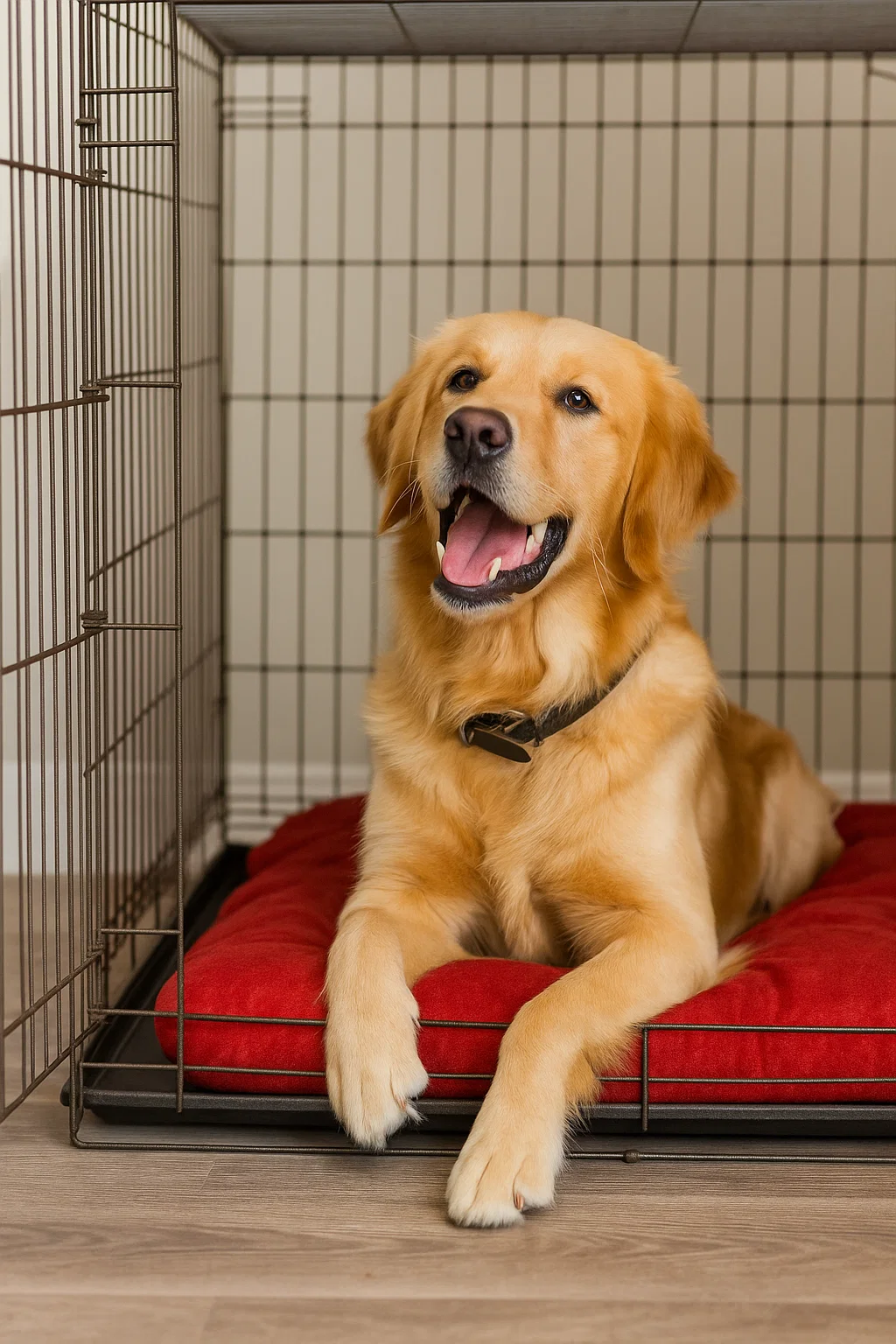
Understanding Your Dog’s Needs
When selecting the optimal dog crate, it is paramount to understand the unique needs of your pet. Each dog possesses distinct characteristics based on factors such as size, breed, and age, which play a critical role in determining the most suitable crate. A well-chosen crate can serve not only as a safe haven for your dog but also as a tool for effective training and comfort.
Size is perhaps the most crucial factor in crate selection. Dogs come in various sizes, and a crate must provide adequate space for the pup to stand, turn around, and lie down comfortably. For instance, a small breed may require a compact and cozy environment, while larger breeds will need spacious crates to accommodate their size. It is advisable to measure your dog before purchasing a crate, taking into account their weight and anticipated growth, particularly for puppies.
Breed and age further influence crate choice. Certain breeds exhibit specific behavioral traits that dictate their crate needs. For example, highly energetic dogs may require a sturdier crate to prevent escape attempts, while more docile breeds may feel at ease in softer, portable models. Additionally, puppies have unique requirements; they need a crate that supports their training process while ensuring their comfort. Adjustable dividers can be beneficial here, allowing the crate to grow with the puppy.
Elderly dogs may face mobility issues, necessitating a crate that is easy to enter and exit. This may include lower doors or an open design to prevent stress. Lastly, temperament also plays a role; dogs with anxiety may benefit from crates that are enclosed and provide a sense of security, potentially fortified with blankets or calming items. By carefully considering these factors, pet owners will be better equipped to choose a dog crate that meets their beloved companion’s needs.
The Importance of Size and Space
Choosing the right size dog crate is crucial for the comfort and well-being of your pet. A crate that is too small can lead to feelings of confinement and anxiety, while one that is excessively large may not provide the sense of security that dogs instinctively seek. To ensure a proper fit, it is essential to measure your dog accurately. Begin by measuring your dog’s height from the ground to the top of their head while standing, and their length from the nose to the base of the tail when in a natural standing position. These measurements will serve as a guideline when selecting a crate.
It is recommended that the crate allows enough space for your dog to stand up, turn around, and lie down comfortably. Typically, you should add 2-4 inches to your dog’s height measurement and a few inches to the length to determine the appropriate crate size. Additionally, certain breeds may require specific dimensions due to their build and behavior. For instance, larger breeds with long legs may require taller crates, while shorter breeds may not need as much height but still require room to move. Understanding your dog’s breed characteristics can help guide your crate selection.
Providing a spacious environment in their crate can reduce anxiety and create a safe retreat for your dog. Crates that are too constricting may not only cause stress but can also lead to negative behaviors. Conversely, a crate that meets the right dimensions can foster a sense of safety, making it an ideal place for your pet to relax. By taking the time to assess and choose an appropriately sized crate for your beloved pet, you provide them with a comfortable space that contributes to their overall happiness and emotional well-being.
Material and Type of Crate: What to Consider
Choosing the right dog crate involves considering the various materials and types available to pet owners. The three most common types of crates are wire, plastic, and soft-sided crates, each with unique features that cater to different needs and lifestyles.
Wire crates are often valued for their excellent ventilation and visibility. They are typically more durable than other types, featuring a robust construction that can withstand chewing or scratching. Wire crates are also easier to clean, making them suitable for dogs that may have accidents at home. However, these crates can be heavier and less portable, which could be a downside for those who require a travel-friendly option.
On the other hand, plastic crates, also known as airline kennels, offer a more enclosed environment, giving dogs a sense of security. These crates are generally lighter and easy to transport, making them ideal for journeys and vet visits. They provide adequate insulation, which is beneficial in hotter or colder climates. Despite their advantages, plastic crates may not be as ventilated as wire crates, potentially limiting airflow during warmer temperatures.
Soft-sided crates are the most portable and lightweight option available. Constructed from fabric and mesh, these crates are easy to set up, fold down, and carry, making them particularly appealing for travel purposes. However, the trade-off is their limited durability; they may not withstand chewing from larger breeds or overly energetic dogs. Moreover, soft-sided crates might not be appropriate for all lifestyles, especially if a pet is prone to anxiety or requires a more secure confinement method.
In summary, understanding the materials and types of crates available aids in making an informed decision. Each crate type presents its own set of advantages and disadvantages, impacting the safety and comfort of your dog. Consider your dog’s breed, temperament, and your lifestyle needs when making this choice.
Growth Considerations and Comfort Features
When selecting a dog crate, it is essential to factor in the anticipated growth of your pet, especially for puppies and young dogs. A crate that accommodates your dog’s growth trajectory can help foster a sense of security while providing adequate space to move around comfortably. One practical solution is to choose adjustable crates equipped with dividers. These dividers allow you to modify the crate’s interior size, ensuring that it remains appropriately snug for a young pup while accommodating their growing needs.
As your puppy matures, you can remove or reposition the divider to create a larger space without compromising on security. It is essential, however, to strike a balance between size and comfort. A crate that is excessively large may prevent your dog from feeling safe and secure, leading them to avoid using the crate entirely. Ideally, the crate should provide enough room for your dog to stand, turn around, and lie down comfortably, which promotes a positive crate experience.
In addition to growth considerations, comfort features are vital in creating an inviting crate environment. Crate covers can offer your pet a sense of privacy while also reducing external stimuli that may cause anxiety. High-quality bedding options, such as cushioned mats or blankets, can enhance comfort and warmth, making the crate a cozy sanctuary for your dog. Furthermore, ensuring adequate ventilation is crucial for your pet’s overall wellbeing; proper airflow will prevent overheating and maintain a comfortable atmosphere.
In summary, choosing a dog crate that accommodates growth and incorporates comfort features can significantly enhance your pet’s experience. By taking these factors into account, you can create a safe and nurturing space that supports your dog’s developmental journey.
Disclosure: Some of the links below are affiliate links, meaning PetGearHQ may earn a small commission if you purchase through them — at no extra cost to you. We only recommend products we genuinely believe will make life better for you and your pets.

- Set Up In 60 Seconds – Set up is nearly instantaneous in less than one minute, no tools required, and when you’re done, …
- One-Handed Operation – Often dog crates can be difficult to open and close. With the Impact Collapsible Dog Crate you ar…
- Stackable Like Sizes – Their design allows you to stack similar sizes on top of each other to make the most of whatever …
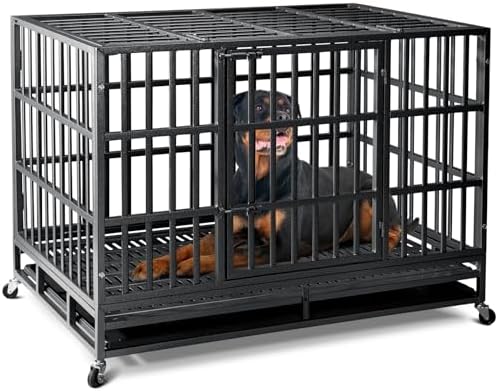
- Military-Grade Protection: Constructed with 48-inch 20-gauge steel panels and reinforced 0.8-inch diameter steel piping….
- PRO TIP: Compare product weights – heavier crates directly correlate with structural integrity. Engineered to serve you …
- 2025 Reinforced Baseplate Upgrade: Our redesigned baseplate withstands up to 250lbs – 40% stronger than standard wire me…

- 36-inch dog crate for pets under 32 x 21 inches (LxH), like a Corgi, Brittany, Cocker Spaniel, or French Bulldog
- Durable metal wire construction with manual door locking mechanism for secure containment. Sets up quickly and folds dow…
- Removable plastic base tray for easy cleaning. Metal hook at the bottom of the crate to prevent plastic tray from moving…