
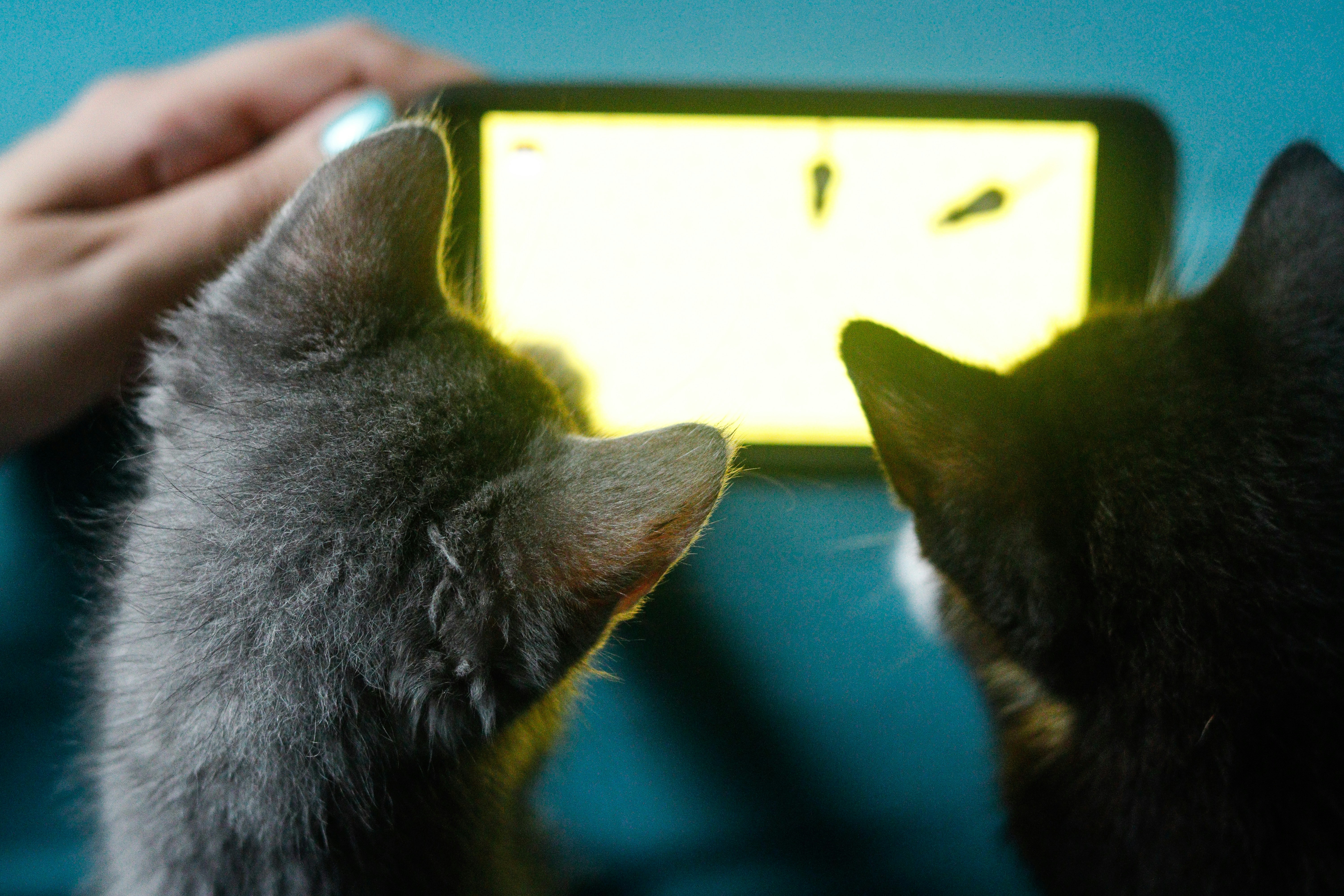
Introduction to Pet Behavior
The world of pet behavior is a fascinating landscape that invites both pet owners and enthusiasts to explore the intricacies of animal habits. Understanding these behaviors is crucial, as it provides valuable insights into the lives of our furry companions. This section delves into the quirky actions observed in common household pets, such as dogs and cats, and aims to unravel the scientific explanations behind them.
Pets often engage in amusing antics that may seem random at first glance. However, many of these behaviors are deeply rooted in instinctual drives, species-specific traits, or communication methods aimed at connecting with their human caregivers. For instance, the playful pouncing of a cat might often seem like harmless fun, but it mirrors their hunting instincts honed over centuries. Similarly, a dog’s tendency to tilt its head when spoken to can be interpreted as an attempt to decipher human emotions and vocal tones, showcasing their strong desire to communicate and bond.
From the rapid tail wagging of a dog to the amusing antics of a cat chasing its own shadow, these behaviors are often misinterpreted. Scientifically, pet habits can reveal a wealth of information about an animal’s mental and emotional state, as well as their experiences in the environment. By studying pet behavior, owners can create more enriching environments, enhance behavioral training, and foster stronger relationships with their pets.
As we venture further into the exploration of the amusing and sometimes peculiar habits of pets, it becomes evident that there is more than meets the eye. Each act—from the playful leap to the curious sniff—serves a purpose deeply embedded in an animal’s psychology. By gaining a deeper understanding of these behaviors, pet owners can appreciate their pets not just as companions but as fascinating creatures with their own unique needs and instincts.
Understanding Why Pets Have Quirky Behaviors
Pets, whether dogs, cats, or other animals, often exhibit quirky behaviors that can amuse and perplex their owners. Understanding the psychological and evolutionary explanations behind these habits can provide insight into their actions. Many of these behaviors can be traced back to species-specific instincts. For instance, dogs may dig or bury objects due to their ancestral traits, where burying food was essential for survival. In contrast, cats often display pouncing tendencies, linking back to their hunting instincts.
The domestication of these animals has significantly influenced their behavior. Unlike their wild counterparts, pets have adapted to human environments, leading to the development of unique habits. For example, a dog may greet its owner excitedly upon arrival, signifying a developed social attachment that is less pronounced in wild canines. This socialization process, which is crucial for domesticated animals, reveals not only the influence of environment but also the impact of positive interactions with humans. As pets are rewarded for specific actions—such as sitting or giving paw—they learn to associate these behaviors with positive outcomes, a concept known as operant conditioning.
Furthermore, reinforcement plays a key role in shaping these quirky behaviors. When a pet performs an action that elicits laughter or affectionate petting from its owner, it tends to repeat that behavior, reinforcing its occurrence. This loop of action and reaction highlights the interdependent relationship between pets and their owners, whereby pets learn to adapt their behaviors to elicit desired responses. Thus, the amalgamation of species-specific instincts and the learned behaviors influenced by domestic life illustrates the fascinating tapestry of quirky pet habits, providing a scientific lens through which to appreciate their endearing antics.
The Science Behind Cat Behavior
Cats are fascinating creatures, known for their quirky behaviors that often leave pet owners amused and bewildered. Understanding these habits through a scientific lens not only satisfies our curiosity but also highlights the evolutionary adaptations of our feline friends. One of the most amusing behaviors observed in cats is known as “zoomies,” a sudden burst of energy that compels them to sprint around the house or leap onto furniture seemingly out of nowhere. This behavior can be attributed to their evolutionary history as predators; these brief, frantic activities allow cats to practice their hunting skills and consequently expend excess energy.
Another characteristic behavior is purring, a sound that emanates from deep within a cat’s throat. While many associate purring exclusively with contentment, research indicates it serves a range of functions. Cats often purr when they are nervous, injured, or seeking comfort, suggesting that this behavior may also act as a self-soothing mechanism. Interestingly, the frequency of a cat’s purr has been shown to promote healing, acting as a form of communication that signals distress or a need for attention to their human companions.
Additionally, kneading, the rhythmic pressing of their paws against soft surfaces, presents an intriguing behavior rooted in kittenhood. Kittens knead their mother’s abdomen to stimulate milk flow, and many adult cats retain this action as a comforting behavior that can invoke feelings of safety and nurturing. The act of kneading may also serve to mark territory, as cats have scent glands in their paws, reinforcing their connection to a particular environment.
Through these behaviors—zoomies, purring, and kneading—cats exhibit a rich tapestry of instinctual, communicative, and captivating traits shaped by their evolutionary history. Each behavior provides insight into their complex nature and serves to strengthen the bond between them and their human caretakers.
Unpacking Dog Behavior
Dogs are known for their diverse and often amusing habits, which can be both entertaining and perplexing for their owners. One common behavior is tail chasing, observed in many dogs. This quirk can be attributed to a combination of instinctual drives and excess energy. In several cases, dogs may chase their tails out of boredom or as a way to self-stimulate, particularly if they have unmet physical or mental exercise needs. Studies suggest that repetitive behaviors like tail chasing may also offer dogs a sense of comfort and security, functioning as a coping mechanism in stressful situations.
An equally curious behavior is barking at seemingly nothing. While it may be perplexing to witness your dog barking at an empty room, this behavior can be rooted in a dog’s heightened sensory perception. Dogs possess an acute sense of hearing and may be responding to sounds that humans cannot detect. This vocalization can also serve as an alert system, indicating to their owners that something might be amiss, or simply as a way to communicate their presence. Recent research highlights the role of breed disposition, where certain breeds may be more predisposed to vocalize based on their historical roles as protectors or herders.
Additionally, dogs frequently display an obsession with specific objects, whether it be a favorite toy, a sock, or a stick. This phenomenon can often be linked to play behavior. Engaging with objects stimulates a dog’s mind and offers mental and physical exercise. For many dogs, these objects may represent security and comfort, fostering a strong attachment. Behavioral psychology further explains how this attachment can lead to possessive behavior or nipping when their prized possession is threatened. Ultimately, understanding these behaviors sheds light on the rich emotional and instinctual lives of dogs, showcasing their complexity as companions in our lives.
Other Common Pets and Their Funny Quirks
While dogs and cats often steal the spotlight with their amusing antics, other common pets also exhibit humorous and curious behaviors that can delight their owners. Understanding these quirks not only showcases the pets’ personality but also provides insights into their natural instincts and emotional states.
Rabbits, known for their playful nature, exhibit a behavior called the “binky,” where they leap into the air while twisting their bodies. This playful jump is a sign of extreme happiness and excitement, a natural expression of joy that rabbits display when they feel safe and content in their environments. Scientific studies suggest that binkying serves not only as a physical release of energy but also as a social signal, communicating positive emotions to other rabbits.
Birds, particularly parrots and cockatiels, often engage in head-bobbing rituals. This behavior can appear amusing to observers but is deeply rooted in their instinctual communication methods. Head-bobbing is commonly a way for birds to express excitement or to attract attention from their owners or potential mates. Additionally, the vibrant vocalizations accompanying this behavior might reflect their mood, with different pitches and rhythms indicating varying emotional states.
Reptiles, often perceived as less expressive, exhibit their own unique quirks. For instance, many lizards engage in basking, which not only helps in thermoregulation but can appear comically relaxed to those watching. Others, such as bearded dragons, display a behavior known as “arm-waving,” where they raise and move their front legs to communicate submission or non-aggression. This action, while curious, comes with a significant purpose in their social interactions.
In observing the funny habits of other pets, it becomes evident that humor in animal behavior spans a wide spectrum, connecting owners to their pets in endearing ways. Each species, with its distinctive instincts and needs, brings forth a variety of entertaining behaviors reflective of their natural history and emotional states.
Human Influence on Pet Habits
The intricacies of pet behavior are significantly shaped by human interactions, which often lead to the adaptation and evolution of habits within various pet species. Pets, such as dogs and cats, exhibit a remarkable tendency to mimic the behaviors of their human companions. This phenomenon can be understood through the lens of social learning theory, which posits that individuals learn behaviors through the observation of others. In a domestic setting, pets frequently emulate the actions, emotions, and even routines of their owners, resulting in a complex interplay between human behavior and pet habits.
For instance, the act of feeding pets at specific times or in certain manners can influence their eating patterns and expectations. A dog, accustomed to receiving a treat after performing a trick, may begin to exhibit similar behaviors to elicit their owner’s desired response, reinforcing certain habits. This learned behavior illustrates the adaptability of pets and how human actions inadvertently shape their habits, leading to a behavioral environment that may deviate from their natural instincts.
Moreover, this human-animal interaction creates an environment where pets interpret signals from their owners, such as vocal tones or body language, further solidifying the bond between them and influencing their behavior patterns. An attentive owner might unknowingly reinforce unwanted behaviors, leading to a disruption in the pet’s natural behavioral framework. For example, a cat that jumps on counters may do so after realizing that this behavior garners attention from its owner, thus establishing a learned habit contrary to its natural inclinations.
In essence, the interactions between humans and their pets are deeply intertwined, with owners playing a pivotal role in shaping their pets’ habits. This dynamic relationship highlights the significance of responsible pet ownership, as understanding this influence can facilitate better behavioral outcomes for pets and promote a healthier environment for both animals and humans alike.
The Role of Environment in Shaping Pet Behavior
Environmental factors play a crucial role in the behavior exhibited by pets. The living space, social interactions, and various stimuli encountered by pets significantly influence their habits and overall temperament. Scientific research indicates that a well-structured environment can lead to positive behavior, while a restricted or stressful setting may result in the development of undesirable habits.
One study conducted by the Journal of Veterinary Behavior highlighted the importance of space in shaping animal behavior. Researchers found that pets, particularly dogs and cats, demonstrate better mental health and fewer behavioral issues when provided with ample space to explore and play. In contrast, pets kept in confined settings often showed increased signs of anxiety and aggression. This exemplifies how a suitable living space can foster desired behaviors within pets.
Socialization is another critical environmental factor influencing pet behavior. A study published in the Journal of Animal Science emphasized that pets exposed to varied social interactions during their formative years generally display more adaptable and friendly behaviors. Pets that are consistently socialized with other animals and humans are less likely to exhibit fear-based responses and aggression, showcasing the profound impact of social environments.
Additionally, environmental stimuli, such as sounds, sights, and smells, can significantly shape behaviors. For instance, the presence of toys and engaging objects encourages exploration and playfulness, while a lack of stimuli can result in boredom and potentially lead to destructive behavior. Research shows that pets in enriched environments—those equipped with various forms of stimulation—display healthier behaviors compared to their counterparts in monotonous settings.
In conclusion, the environment significantly influences pet behavior, affecting their habits in positive and negative ways. Understanding and optimizing these environmental factors can lead to healthier and happier pets, ultimately enhancing the bond between pets and their owners.
The Fun in Funny Pet Habits: Psychological Benefits for Owners
Pet owners often find themselves entertained by the humorous antics of their furry companions. From playful chases to quirky sleeping positions, the funny habits of pets create moments of joy that serve not just as entertainment but also as a means of enhancing the mental well-being of their owners. Research in psychology indicates that interactions with pets can lead to lower stress levels and improved emotional health. The laugh-inducing behaviors exhibited by animals provide a welcome distraction from everyday worries, allowing owners to experience moments of happiness and laughter that contribute positively to their emotional state.
One of the psychological benefits of owning a pet is the improvement in mood regulation. Studies suggest that engaging with pets, especially during moments of humor, can trigger the release of endorphins, the body’s natural feel-good hormones. For example, watching a dog attempt to catch its tail or a cat get startled by its own reflection can evoke hearty laughter, momentarily lifting one’s spirits. This candid enjoyment fosters stronger relationships between humans and their pets, reinforcing the emotional bond they share.
Furthermore, the whimsical nature of pets can serve as a buffer against stress. When individuals face challenging situations or high levels of anxiety, focusing on their pet’s amusing behavior can provide relief and boost resilience. Engaging in light-hearted playtime or appreciating their surprising antics encourages mindfulness, grounding owners in the present, rather than the stresses of daily life. Psychological studies support the idea that this shared humor not only strengthens the human-animal relationship but also enhances the overall quality of life for pet owners. Thus, the fun in funny pet habits is not merely about amusement; it intertwines with psychological benefits that can significantly enrich an owner’s mental health and well-being.
Conclusion: Embracing Our Pets’ Quirks
Throughout this exploration of the humorous habits exhibited by our beloved pets, we have uncovered the fascinating interplay between animal behavior and scientific reasoning. From the peculiar ways cats choose their favorite spots to rest, to the amusing antics of dogs when they chase their tails, these behaviors often stem from instinctual tendencies that have been ingrained over centuries. Understanding these habits not only enhances our knowledge of animal behavior but also deepens our bond with our pets.
Furthermore, we have learned that many of these quirky actions serve essential roles in our pets’ lives. For example, a dog’s tendency to dig may be linked to their ancestry, where it was necessary for survival. Similarly, cats exhibit certain playful behaviors that reinforce their predatory skills. Recognizing the significance behind their actions allows us to appreciate the natural instincts that drive these seemingly funny habits.
It is vital for pet owners to embrace these eccentricities, as they contribute to the unique personality of each animal. By providing a nurturing environment that caters to their needs and preferences, we are fostering not just obedience but a fulfilling relationship built on mutual respect and understanding. Engaging with our pets through play, exploring their peculiar habits, and rewarding their quirks can lead to a happier and healthier companionship.
In conclusion, the funny habits of our pets are more than just amusing traits; they are expressions of their individuality and instincts. By respecting, understanding, and celebrating these quirks, we can forge deeper connections with our furry companions, ensuring their happiness and enhancing our own wellbeing in the process. Appreciating our pets’ funny habits paves the way for a joyful coexistence, enriching our lives with laughter and affection.