

Introduction to Dog Crate Safety
Dog crates serve as essential tools for pet owners, offering a space where dogs can feel secure and comfortable. The practice of crate training not only aids in establishing boundaries but also plays a crucial role in a dog’s overall training and behavioral development. However, to achieve the full benefits of crate training, ensuring safety within the crate is paramount. This leads to a discussion on dog crate safety, which encompasses various practices that contribute to a protected environment for pets.
The importance of dog crate safety cannot be understated. A properly secured crate can prevent accidental injuries, reduce anxiety in stressful situations, and assist in housetraining. By familiarizing dogs with their crates, owners provide a haven where pets can retreat, promoting mental well-being and a sense of security. Incorporating effective safety measures into crate use not only bolsters these benefits but also addresses potential hazards that may arise in both the crate and the surrounding area.
This blog post aims to equip dog owners with practical safety tips to enhance the experience of crate training. By following guidelines that prioritize the safety and comfort of dogs, owners can create a positive environment conducive to training and relaxation. Throughout the post, readers will find a comprehensive overview of dos and don’ts related to dog crates, which includes selecting the appropriate crate, ensuring proper ventilation, and understanding the duration of crate confinement.
Educating oneself about dog crate safety is a responsibility that every dog owner should embrace. With informed knowledge and implementation of effective safety protocols, owners can ensure their pets thrive in this environment, fostering a mutually beneficial relationship built on trust and respect. The following sections will delve deeper into specific safety tips and best practices for crate use, ultimately contributing to a safer and happier experience for both dogs and their owners.
This post contains affiliate links. If you purchase through these links, I may earn a small commission at no extra cost to you.
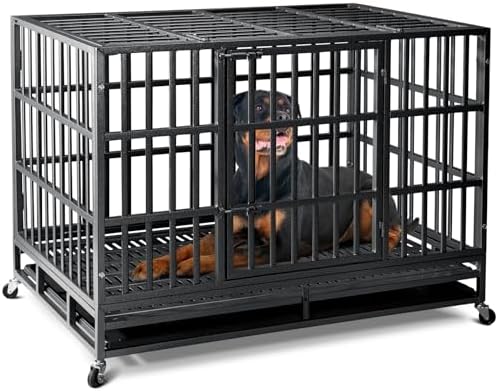
- Military-Grade Protection: Constructed with 48-inch 20-gauge steel panels and reinforced 0.8-inch diameter steel piping….
- PRO TIP: Compare product weights – heavier crates directly correlate with structural integrity. Engineered to serve you …
- 2025 Reinforced Baseplate Upgrade: Our redesigned baseplate withstands up to 250lbs – 40% stronger than standard wire me…

- Set Up In 60 Seconds – Set up is nearly instantaneous in less than one minute, no tools required, and when you’re done, …
- One-Handed Operation – Often dog crates can be difficult to open and close. With the Impact Collapsible Dog Crate you ar…
- Stackable Like Sizes – Their design allows you to stack similar sizes on top of each other to make the most of whatever …
Choosing the Right Size Crate
Selecting the right size crate for your dog is crucial for their comfort and safety. An appropriately sized crate ensures that your pet can easily stand, turn around, and lie down without feeling restricted. To determine the best size for your dog, you should start by measuring their height and length. To measure height, have your dog stand straight and record the distance from the floor to the top of their head. For length, measure from the tip of their nose to the base of their tail. This will provide you with the necessary dimensions for your crate.
When choosing a crate, remember that it should provide enough space for your dog to sit comfortably, but still feel secure within its confines. As a general guideline, a crate should be at least six inches taller than your dog’s height and equally as long as their length plus an additional few inches for comfort. For breeds that have longer body shapes, such as Greyhounds or Dachshunds, account for this in your measurements. Likewise, larger breeds like Great Danes require more room than their size might initially suggest.
Different breeds may also have unique preferences when it comes to crate size. For example, puppies typically need a crate that accommodates their growth; however, a divider can be used initially to limit space and create a sense of safety until they fit the entire crate. Moreover, small breeds may feel more secure in snug spaces, whereas larger breeds may prefer a roomy environment. Your dog’s personality and behavior can also influence their comfort level in a crate.
By taking precise measurements and understanding your dog’s needs, you can make an informed decision about the ideal crate size. An appropriate crate will not only contribute to your dog’s physical comfort but also to their emotional well-being, making the crate a safe haven rather than a source of anxiety.
Proper Crate Placement in Your Home
Choosing the right location for a dog crate is crucial to ensuring your pet’s comfort and safety. The placement of the crate can significantly influence how well your dog acclimates to it, making this decision an essential part of crate training. When selecting a location, several factors must be considered, including temperature, noise levels, and proximity to family activities.
First and foremost, the temperature of the area where the crate is placed should be comfortable and stable. Avoid placing the crate in drafty locations or areas that are prone to extreme heat, as these conditions can lead to stress and discomfort for your dog. Ideally, the crate should be positioned in a room where the temperature is regulated, helping maintain a comfortable environment for your pet.
Noise levels in the vicinity of the crate are also important. Dogs are sensitive to sound, and a crate situated in a noisy area may be stressful for them. It is best to avoid placing the crate near loud appliances, traffic noises, or areas where a lot of commotion occurs. Instead, opt for a quiet, peaceful corner of the home that allows your dog to feel secure and relaxed while resting in the crate.
Proximity to family activities is another critical consideration. Dogs are social animals and thrive on being close to their human companions. Positioning the crate in a common area, such as the living room or kitchen, can help your dog feel included while they spend time in their crate. This placement not only fosters a sense of belonging but also allows you to keep an eye on your pet, which enhances their overall safety and comfort.
Crate Training Techniques for Safety
Crate training is an essential method for ensuring the safety and security of a dog while also promoting a positive association with the crate. One effective technique for crate training is to gradually acclimate your dog to the crate environment. Start by placing the crate in a familiar area of your home, allowing your dog to explore it at their own pace. Utilizing treats and toys can encourage curiosity and create a welcoming atmosphere. By doing this, the crate will become a safe haven rather than a source of confinement anxiety.
Positive reinforcement plays a crucial role in crate training. Whenever your dog enters the crate voluntarily, offer praise or a small treat. This approach reinforces their decision and encourages them to see the crate as a favorable space. Avoid using the crate as a form of punishment, as it can lead to negative associations and stress for the dog. Instead, focus on creating a pleasant experience by providing cozy bedding and an item that holds your scent, fostering comfort and relaxation within the crate.
Establishing a routine is another vital component of effective crate training. Dogs thrive on consistency, so developing a schedule for crate time can help them adapt positively. For instance, after walks, playtime, or meals, guide your dog into the crate for short periods. Gradually increase the duration as they become more accustomed to their confined space. This approach alleviates anxiety and fosters an understanding that the crate is a safe environment where they can rest or feel secure. Ultimately, a well-trained dog will view the crate as a sanctuary, promoting their safety and well-being while allowing owners peace of mind.
Avoiding Common Crate Hazards
Dog crates serve as safe environments for pets, but they can pose potential hazards if not used correctly. One common issue arises from using the wrong type of crate. It’s crucial to select a crate that is appropriately sized for your dog. A crate that is too small can restrict movement and cause discomfort, while one that is excessively large may enable an anxious dog to use one end as a bathroom while lying in the other. The ideal situation is to have a crate that allows the dog to stand, turn around, and lie down comfortably without excessive space.
Another prevalent hazard is leaving collars on dogs during crate time. Collars can become entangled in the crate’s wires or door mechanisms, leading to strangulation or injury. To mitigate this risk, it is advisable to remove collars or any other accessories before crating your dog. Establishing a routine that prepares both you and your dog for crate time ensures their safety and comfort.
Overcrowding or over-crating is another critical concern. It’s essential not to leave your dog in the crate for extended periods; doing so can lead to anxiety, stress, and destructive behaviors. Moreover, multiple dogs in one crate pose risks of injury or aggression. Always provide ample space and ensure that your dog has time out of the crate to interact, exercise, and relieve themselves. Creating a schedule with regular breaks anywhere from every few hours to several times a day, depending on the age and needs of your dog, can significantly minimize safety hazards.
By addressing these concerns and proactively modifying crate usage practices, dog owners can create a safer environment for their pets. Awareness and adherence to these safety tips allow for peace of mind while fostering a secure and nurturing space for dogs.
Duration of Crate Time: What’s Safe?
When it comes to crate training, understanding how long a dog can safely remain in a crate is essential for their well-being. The duration of crate time can significantly depend on various factors, including the dog’s age, size, and temperament. Puppies, for example, have a limited capacity for holding their bladder and are generally unable to stay crated for extended periods without needing breaks.
As a rule of thumb, young puppies can usually stay in a crate for about one hour for every month of age. Therefore, a two-month-old puppy should ideally be crated for no longer than two hours at a time. As dogs mature, they can typically handle longer durations. Adult dogs, depending on their training and acclimatization to the crate, can usually stay confined for up to eight hours, although it is advisable to provide regular breaks for bathroom needs, stretching, and exercise.
Size can also play a critical role in the duration a dog can comfortably remain in a crate. Larger breeds may find it harder to stay still for long periods compared to smaller breeds that are accustomed to confined spaces. Furthermore, a dog’s temperament matters greatly; a calm, self-assured dog may cope effectively with longer crate time than a more anxious or energetic dog.
It is crucial to avoid the risks associated with prolonged confinement, which can lead to anxiety, stress, and even physical issues like muscle atrophy. Regular breaks and opportunities for physical activity should be scheduled, allowing dogs to engage in exercise and mental stimulation. This approach ensures that crate time is a positive experience, reinforcing the dog’s understanding that the crate is a safe space and not a punishment.
Signs of Stress or Distress in Crated Dogs
Understanding the signs of stress or distress in crated dogs is essential for ensuring their well-being. Crating can provide safety and comfort for dogs, but it can also lead to anxiety if not managed properly. Behavioral indicators are often the first signs that a dog is experiencing discomfort while in the crate. Common symptoms include excessive whining, barking, or exhibiting destructive behaviors such as chewing on the crate itself or attempting to escape.
Whining is one of the most prevalent signs of stress in dogs, particularly when the crate is viewed as a form of confinement rather than a safe place. A dog might whine persistently to express discomfort or a desire to be let out. Similarly, barking can signify anxiety, frustration, or an attempt to gain attention. If these sounds are accompanied by pacing or restlessness within the crate, it could demonstrate an increasing level of distress.
Destructive behavior is another strong indicator of a dog in distress. This may include attempts to dig, chew, or claw at the crate, which may not only damage the crate but also injure the dog. Furthermore, a sudden change in a dog’s behavior, such as loss of appetite or lethargy when crated, can also signal increasing anxiety levels.
To alleviate a dog’s anxiety in a crate, owners should consider implementing gradual crate training techniques, ensuring the crate is a comfortable space furnished with bedding and toys. Additionally, spending time with the dog near the crate before crating them can help associate the space with positive experiences. Owners might also seek guidance from a professional dog trainer or behaviorist when addressing persistent anxiety-related issues, ultimately supporting their dog’s emotional health during crating periods.
Supplementing Crate Time with Activities
Crate training can be an effective method for providing your dog with a safe and comfortable space. However, it is crucial to ensure that crate time is supplemented with various activities to engage your pet and prevent feelings of boredom or anxiety. Engaging your dog in enriching activities while they are in the crate not only enhances their experience but also promotes a positive association with the crate.
One of the simplest ways to keep your dog engaged is by providing a range of interactive toys. Toys that dispense treats or those designed for chewing can effectively stimulate your dog’s mind and help occupy their time. Durable rubber toys filled with peanut butter or soft treats can keep them occupied for an extended period, making their crate a rewarding place to be.
Incorporating training games is another valuable strategy for enriching your dog’s crate time. Simple commands like “sit,” “stay,” or “settle” can be practiced with your dog when they are in the crate. This not only reinforces obedience but also creates dynamic interactions that can strengthen your bond. Additionally, working on new tricks can offer mental stimulation, which is just as important as physical exercise for your dog.
Another excellent option is to include a variety of chew items in the crate. Chews not only satisfy your dog’s natural urge to gnaw, but they also provide an outlet for stress and anxiety. Be sure to select appropriate and safe chew items that are suitable for your dog’s size and chewing habits to avoid potential hazards.
Ultimately, ensuring that your dog has plenty of engaging activities during crate time not only reduces boredom but also promotes a healthy and positive view of their crate. Through consistent and thoughtful enrichment, the crate can become a cherished retreat for your furry friend.
Conclusion and Final Thoughts on Dog Crate Safety
In conclusion, ensuring dog crate safety is a significant responsibility that every pet owner must undertake. Throughout this blog post, we have explored essential tips and practices that not only guarantee the physical well-being of your dog but also enhance their overall emotional health. A securely designed and properly utilized crate serves as more than just a confinement area; it can become a comforting space for your dog, reducing anxiety and promoting positive behaviors.
We have discussed the importance of selecting the right size crate, which allows your dog to stand, turn around, and lie down comfortably. Appropriate size prevents the accumulation of anxiety linked to confinement. Additionally, maintaining a clean and sanitized environment is crucial to preventing health issues that may arise due to neglect or lack of attention. Regular checks for wear and tear in the crate are also essential; a safe crate is one that is regularly assessed to avoid accidents or escapes.
Moreover, understanding your dog’s temperament is vital. For anxious dogs, introducing the crate gradually through positive reinforcement can foster a sense of trust and security. Creating a positive association with the crate diminishes feelings of restriction, making it a space your dog willingly enters. Always avoid using the crate as a punishment, as this can lead to fear and aversion.
By prioritizing dog crate safety, you establish a nurturing environment that benefits both you and your pet. A well-trained and comfortable dog will adapt better not only in their crate but also in other aspects of daily life. Embracing these crate safety practices can lead to a healthier and happier relationship between you and your dog, ensuring that your canine companion thrives in a safe and secure home.