
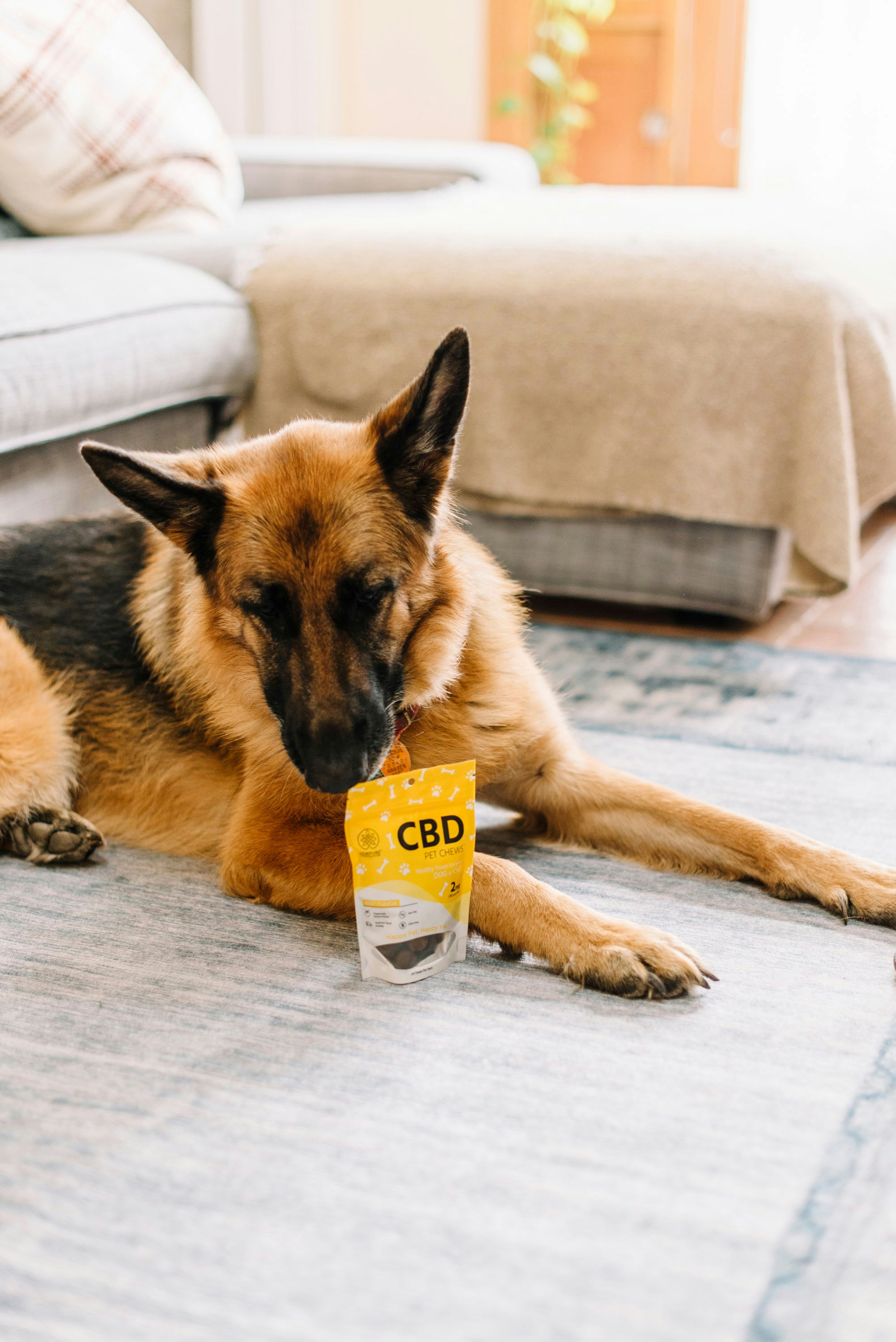
Understanding Pet Anxiety
Pet anxiety refers to the emotional distress that animals experience in response to various stressors. Like humans, pets can exhibit anxiety due to a variety of factors, which may range from environmental changes to underlying health issues. The most common types of anxiety observed in pets include separation anxiety, noise anxiety, and phobia-related anxiety. Understanding these categories can help pet owners identify behaviors indicative of anxiety in their animals.
Separation anxiety is often seen in dogs and manifests when the pet becomes extremely distressed when left alone. This can lead to behaviors such as excessive barking, destructiveness, or attempts to escape. Conversely, cats may also experience a form of separation anxiety, although it is less frequently recognized. They might exhibit signs such as inappropriate urination or excessive grooming when their owners are away.
Noise anxiety is another prevalent issue, particularly in pets that are sensitive to loud sounds like thunderstorms or fireworks. Many dogs and some cats may tremble, hide, or display signs of excessive salivation due to this kind of stress. Phobias can develop not only from sounds but also from experiences related to specific stimuli, such as travel in a car or exposure to unfamiliar environments.
Additional stressors that may contribute to pet anxiety include changes in the home environment, such as moving to a new location or alterations in the family structure. New pets or family members can also disrupt an animal’s sense of security. Recognizing the emotional and physical responses associated with anxiety—such as excessive panting, pacing, or changes in appetite—is essential for pet owners. By understanding these nuances, individuals can better identify anxiety in their beloved companions and take appropriate steps to mitigate its effects on their well-being.
Common Signs of Anxiety in Pets
Understanding the signs of anxiety in pets is crucial for pet owners who wish to promote their companions’ well-being. Anxiety manifests differently across species and individual animals, making it essential for owners to observe their pets closely. Common indicators of anxiety often include excessive barking, hiding, destructive chewing, and changes in appetite.
Excessive barking is one of the most frequent signs, particularly in dogs, where it may serve as a response to stress or fear. This behavior can occur during thunderstorms, fireworks, or when left alone. For cats, signs of anxiety may include hiding in unusual places or excessive grooming, which may indicate emotional distress. Both species may seek out secluded spots as a means to cope with overwhelming situations.
Destructive chewing is another prominent sign of anxiety in pets, especially among young dogs. Chewing household items can provide temporary relief or distraction from their anxious feelings. This behavior not only damages property but also poses a risk to the pet’s health, as they may ingest harmful substances. Changes in appetite, such as overeating or skipping meals, can further indicate emotional issues. Dogs may eat their food out of nervousness, while cats may refuse to eat altogether, leading to further health complications.
Additionally, signs of anxiety may vary based on individual personality traits. Some pets may exhibit clinginess, requiring constant attention from their owners, while others may retreat into solitude. Pet owners should observe their furry companions carefully and take note of any shift in behavior, as early recognition of anxiety could help in implementation of effective strategies to support their emotional well-being.
Natural Remedies to Help Anxious Pets
Addressing anxiety in pets can be a multifaceted approach that includes several natural remedies, helping to create a nurturing environment that alleviates stress. One of the foundational steps pet owners can take is to establish a safe space for their animals. This safe haven should be a quiet, comfortable area in the home where the pet can retreat when feeling anxious. Providing soft bedding, familiar toys, and even a piece of the owner’s clothing can offer comfort and security.
Incorporating calming scents into the pet’s environment is another effective method. Essential oils, particularly lavender, are known for their soothing properties. Using a diffuser with diluted lavender oil can create a tranquil atmosphere. However, it is essential to ensure that any scent used is pet-safe, as some essential oils can be toxic to animals.
Regular exercise is also crucial. Engaging pets in physical activities not only helps them expend excess energy but also reduces stress levels. Daily walks, playtime in the yard, or interactive games can enhance overall well-being, leading to a calmer demeanor. Consistency in activity is key for managing anxiety over time.
Dietary supplements featuring natural calming agents, such as chamomile or valerian root, may provide additional support. These supplements can help soothe nerves without the side effects associated with some medications. Always consult a veterinarian before introducing new supplements to ensure they are suitable for the specific needs of the pet.
Behavioral training is an important aspect of managing anxiety. Positive reinforcement techniques can help pets learn to cope with anxiety triggers, promoting a sense of safety and confidence. Finally, alternative therapies like acupuncture or massage can effectively reduce anxiety levels, providing a holistic approach to pet care. By embracing a combination of these natural remedies, pet owners can significantly improve their furry companions’ quality of life. In conclusion, recognizing and addressing anxiety in pets through natural means can lead to a more relaxed and harmonious environment for both the pet and the owner.
When to Seek Professional Help
While many instances of anxiety in pets can be effectively managed through natural remedies, there are situations where these methods may prove insufficient. Recognizing the signs of severe anxiety is crucial for pet owners. Symptoms such as excessive panting, trembling, destructive behavior, and prolonged hiding may indicate a level of distress that requires professional intervention. If these behaviors persist or worsen despite the implementation of natural treatments, it is essential to consider consulting a veterinarian or an animal behaviorist.
Veterinarians can assess the situation and determine whether the anxiety is a symptom of an underlying medical condition that needs to be addressed. On the other hand, animal behaviorists are trained to identify specific behavioral issues and may recommend behavior modification techniques tailored to the individual pet’s needs. It is important to work with professionals who can provide a comprehensive treatment plan that balances traditional medications and natural approaches, especially for pets suffering from severe anxiety.
Traditional medications can play a significant role in a comprehensive treatment plan. In some cases, these medications may be necessary to stabilize your pet’s anxiety levels, allowing them to benefit from natural therapies and behavioral training. It is vital to discuss all available options with your veterinarian, who can guide you in choosing the most appropriate course of action. This collaboration ensures that your pet receives the best care possible, addressing their unique psychological and emotional needs.
Ultimately, the goal is to empower pet owners to make informed decisions regarding their pets’ mental health. Recognizing when professional help is needed can help facilitate timely intervention, improving your pet’s quality of life and strengthening the bond between you and your furry companion.