
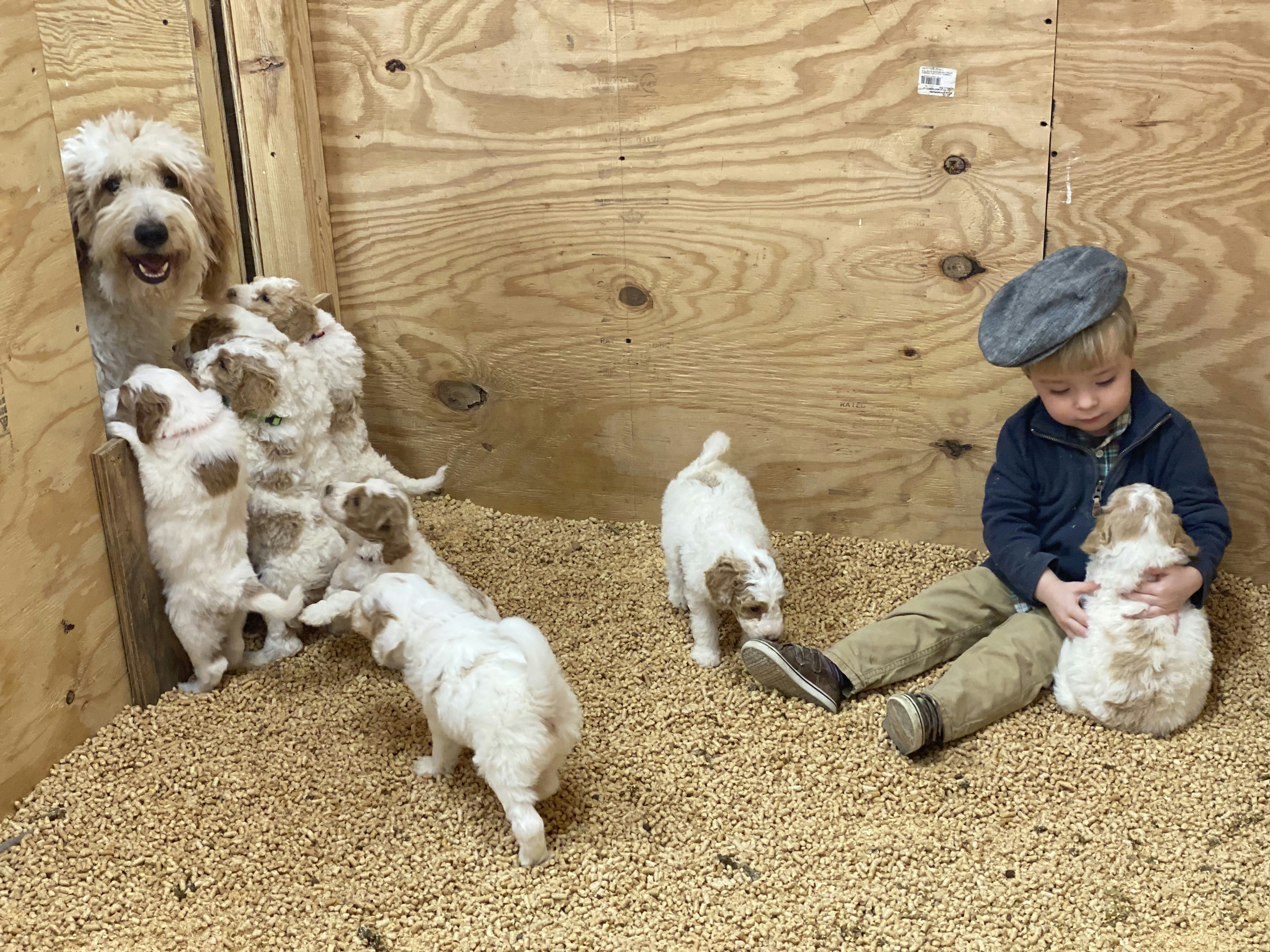
Understanding the Responsibilities of Puppy Ownership
Puppy ownership is a rewarding journey, yet it comes with significant responsibilities that must not be overlooked. For first-time puppy parents, understanding these duties is essential to ensure a fulfilling relationship with their new companion. The commitment required for raising a puppy begins with a substantial investment of time. Training sessions must be regular, as fostering good behaviors can take weeks or months, depending on the individual dog’s temperament and breed characteristics. This time commitment extends to socialization, which is crucial for developing a well-rounded pet capable of comfortable interactions with other animals and people.
Another fundamental aspect of puppy ownership is ensuring sufficient physical exercise. Puppies are energetic beings, and they require daily outlets for their energy to remain healthy and avoid behavioral issues. This means incorporating regular walks, playtime, and mental stimulation through toys or training activities into a daily routine. Early exercise habits not only promote physical well-being but also establish a strong bond between the puppy and its owner.
Healthcare is another critical responsibility that puppy owners must prioritize. Routine veterinary check-ups, vaccinations, and preventative treatments against parasites should be planned and adhered to diligently. Health issues can arise unexpectedly, so being prepared and informed on basic canine health care is essential. Moreover, prospective puppy owners should evaluate their lifestyle and living situation to ensure they can meet the needs of a growing puppy, including potential challenges such as teething, chewing, or accidents in the home.
Establishing a consistent routine can ease the transition for both the puppy and the owner. It is also essential for preventing and addressing behavioral challenges that may arise during the early stages of puppy parenting. Ultimately, being equipped with knowledge and preparedness is key for first-time owners aiming to provide the nurturing and loving environment that every puppy deserves.
Common Challenges Faced by New Puppy Owners
Becoming a new puppy owner brings immense joy, but it also comes with its share of challenges. One of the most prevalent issues faced by first-time puppy parents is house training. Accidents in the house can be disheartening and may cause frustration. It is essential for owners to understand that house training is a learning process for puppies. Consistency, patience, and positive reinforcement play crucial roles in successfully teaching a puppy where to go. Designating specific areas for elimination and establishing a routine can greatly enhance this training phase.
Another common hurdle is dealing with chewing. Puppies, much like human infants, explore the world with their mouths. This natural behavior, though instinctive, can lead to significant destruction if left unchecked. It is vital for owners to provide appropriate chew toys and redirect their puppy’s chewing habits toward these items. This not only protects household items but also satisfies the puppy’s need to chew.
Barking is yet another concern that may arise. Puppies bark for various reasons—excitement, playfulness, or even fear. Understanding the context of barking is essential for differentiating normal behavior from signs of anxiety or distress. Owners should monitor their puppy’s vocalizations carefully and address any underlying issues while encouraging positive communication behaviors.
Managing energy levels is imperative as well. Puppies are often overflowing with energy, and without sufficient outlets, this can lead to hyperactivity or behavior issues. Structured playtime, socialization, and mental stimulation through training exercises are essential for keeping a puppy engaged and well-behaved. Recognizing the difference between normal energetic behavior and problematic behavior is crucial for first-time owners. By setting clear boundaries and expectations while remaining patient, new puppy parents can navigate these common challenges effectively.
Training Tips for First-Time Puppy Owners
Training a puppy can be an enriching experience, but it requires commitment and understanding. First-time puppy owners should start with basic commands such as “sit,” “stay,” “come,” and “down.” These foundational commands help establish good behavior and mutual respect between the owner and the puppy. Consistent practice and repetition are key to helping a puppy understand these commands. Utilize short training sessions of 5 to 10 minutes to maintain the puppy’s attention, gradually increasing duration as they become more accustomed to training.
House training is another crucial aspect of setting the groundwork for a well-behaved dog. Establishing a regular schedule for feeding and bathroom breaks is essential. Take the puppy outside frequently, especially after meals, playtime, and sleeping. When the puppy eliminates outside, reinforce good behavior with praise or treats. If an accident happens inside, avoid punishment; instead, clean it up thoroughly to eliminate lingering odors that might encourage repeat behavior in the same spot.
Positive reinforcement should be at the forefront of any training regimen. This involves rewarding desired behaviors rather than focusing on negative ones. Such an approach not only fosters a trusting relationship but also motivates the puppy to repeat good behaviors. Consistency is imperative in implementing training techniques. Everyone in the household should use the same commands and expectations, avoiding mixed signals that may confuse the puppy.
For first-time puppy owners seeking additional support, various resources are available. Enrolling in local puppy training classes can provide hands-on guidance and socialization opportunities. Online courses and books about puppy training can also offer valuable insights and techniques. Utilizing a combination of these resources will enhance the training experience, ultimately promoting a well-adjusted and obedient puppy.
Enhancing the Puppy Parenting Experience: Tips and Tricks
Bringing a puppy into your home can be a delightful and transformative experience. To ensure that the journey of puppy parenting is as enjoyable as possible, several tips and tricks can help alleviate stress while enhancing the bond you form with your new canine companion. One of the essential steps is to create a puppy-proof environment. This includes removing hazardous items, securing loose wires, and keeping toxic plants out of reach. By preparing your home adequately, you are paving the way for a safer space where your puppy can explore freely without harm.
Engaging in fun bonding activities is another way to enhance your experience. Activities such as interactive play, training sessions, and even simple outings to the park can strengthen the bond between you and your puppy. Utilizing toys that stimulate your puppy mentally and physically can keep them entertained and help them learn essential skills while having fun. Consider scheduling regular playdates with other dogs once your puppy is vaccinated; this not only aids in their socialization but also provides opportunities for you to connect with other dog owners.
Finding local resources can also be invaluable in your journey. Look for puppy training classes, dog-friendly events, or local pet shops that provide products tailored for new pet owners. Many neighborhoods have dedicated groups for puppy owners, where you can meet like-minded individuals who share similar experiences and challenges. This camaraderie can provide emotional support and practical advice during challenging moments. Connecting with others can also serve to enrich your understanding of puppy behaviors and training techniques.
In essence, by creating a secure environment, participating in enjoyable activities, and connecting with local resources, you will find that your experience as a first-time puppy parent can be filled with joy and companionship, fostering a lasting and loving relationship with your new friend.