
Why pet parents are curious
Between fireworks, joint stiffness, and everyday jitters, many owners are hunting for gentler ways to help their pets feel better. CBD treats promise calm pups and comfier cats—without the “zonked” vibe. But what actually holds up when you look past the marketing?
Short answer: there is encouraging evidence for some conditions (notably osteoarthritis pain and certain seizure disorders in dogs), paired with important caveats about safety, quality control, and regulation. The goal of this guide is to give you a clear, reliable overview so you can talk to your vet and make an informed call.
CBD 101 (in plain English)
CBD (cannabidiol) is a non-intoxicating compound from hemp. It interacts with the body’s endocannabinoid system—which helps regulate things like pain, inflammation, and neural activity—without producing a “high.” In animals, researchers have focused most on dogs; published work in cats is comparatively limited.
Where the evidence is strongest (so far)
1) Osteoarthritis pain and mobility (dogs)
- Multiple studies—including early clinical work from Cornell—report that CBD can improve comfort and activity in dogs with osteoarthritis. In one trial, more than 80% of dogs had decreased pain and were more active; other peer-reviewed studies found improved pain scores and mobility compared with placebo. That said, systematic reviews still label the overall certainty of evidence as low to moderate and call for larger, longer trials.
2) Seizure frequency (certain epilepsies in dogs)
- Clinical trials (including work from Colorado State University) have shown meaningful reductions in seizure frequency for dogs receiving CBD compared with placebo. Results vary by study design and dose, and not every dog is a “responder,” but the signal is promising enough that research continues to expand.
3) Other possible areas
- You’ll see claims around anxiety, skin conditions (atopic dermatitis), and cancer-related symptoms. Veterinary reviews describe growing interest but limited evidence—encouraging, but not conclusive. Translation: talk to your vet; don’t expect a guaranteed fix.
Safety: what we know (and what to watch)
- General tolerability: Several controlled studies find CBD is generally well tolerated in healthy dogs over months. Common mild effects include sleepiness or soft stools.
- Liver enzymes: A recurring finding is elevations in ALP (alkaline phosphatase) in some dogs. That doesn’t automatically mean liver damage, but it’s a flag for veterinary monitoring if a pet is on CBD long-term or on other meds.
- Drug interactions: CBD can alter how other drugs are processed (via cytochrome P450 pathways). If your pet takes pain meds, anti-seizure drugs, or anti-anxiety meds, your vet may want to monitor levels or adjust dosing. (Reviews discuss this interaction risk in the veterinary context.)
- Cats: Small studies suggest cats may tolerate CBD, but mild adverse events (like GI upset or liver enzyme changes) have been observed; the evidence base is thinner than it is for dogs. Proceed with extra caution and vet guidance.
Regulation and why product quality matters
Here’s the critical fine print: the FDA has not approved CBD for animals. That means pet CBD treats aren’t evaluated like approved drugs for safety, effectiveness, or manufacturing consistency, and companies making disease claims have received warning letters. Practically, this puts the burden on you and your vet to scrutinize products.
What to look for:
- Third-party Certificate of Analysis (COA): Confirms CBD amount, verifies non-detectable THC (or clearly labeled low levels), and screens for contaminants (pesticides, heavy metals, residual solvents).
- Batch-specific testing & clear labeling: You should see batch numbers, CBD per treat, and ingredient lists you recognize.
- Realistic claims: Be wary of products promising cures. Reputable brands stick to supportive language, not disease claims.
Trusted veterinary centers also provide buyer’s-guide tips and summarize trial data so you can cross-check marketing claims with actual studies.
Treats vs oils: which format is better?
- Treats are simple and consistent—great for routine use and picky eaters.
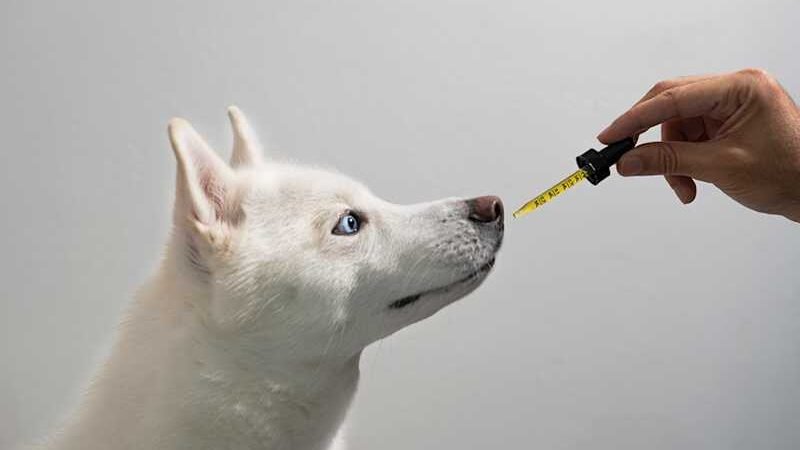
- Oils/tinctures allow more flexible dosing (useful when your vet is dialing things in).
What’s “best” depends on your pet, your goals (mobility, seizures, general calm), and your vet’s plan. Because dosing and response can vary widely, work with your veterinarian—especially for epilepsy or pets on other medications.
Practical takeaways (the “what should I actually do?” part)
- Talk to your veterinarian first. Particularly if your pet has a diagnosis (OA, epilepsy, dermatitis) or takes medications. Your vet can help prioritize evidence-based options and monitoring. (The FDA itself advises this route.)
- Start with a high-quality product. Choose brands with COAs, non-detectable THC, and clean ingredient lists. Avoid artificial sweeteners like xylitol (toxic to dogs). Product quality varies—don’t assume all CBD treats are equal.
- Set realistic goals.
- OA pain/mobility: Look for signs like easier getting up, more willingness to walk/play.
- Seizures: Track seizure logs; improvements are typically measured over weeks to months.
- General calm/anxiety: Evidence is more limited—pair CBD (if used) with training and environmental strategies.
- Monitor and adjust. Watch for GI upset, sedation, or behavioral changes. For longer-term use, ask your vet about periodic liver enzyme checks, especially if your pet takes other meds.
A quick word on legality
Hemp-derived CBD (≤0.3% THC) is federally legal in the U.S., but pet use remains an FDA gray zone and state rules vary. This is another reason to loop in your veterinarian and stick to reputable manufacturers.
Bottom line
CBD treats can be a useful tool—particularly for canine osteoarthritis and certain seizure disorders—when selected carefully and used under veterinary guidance. But they’re not a cure-all, and the market isn’t regulated like prescription meds. If you choose to try CBD for your dog or cat, invest in quality, set sensible expectations, and partner with your vet so you can track what’s working.